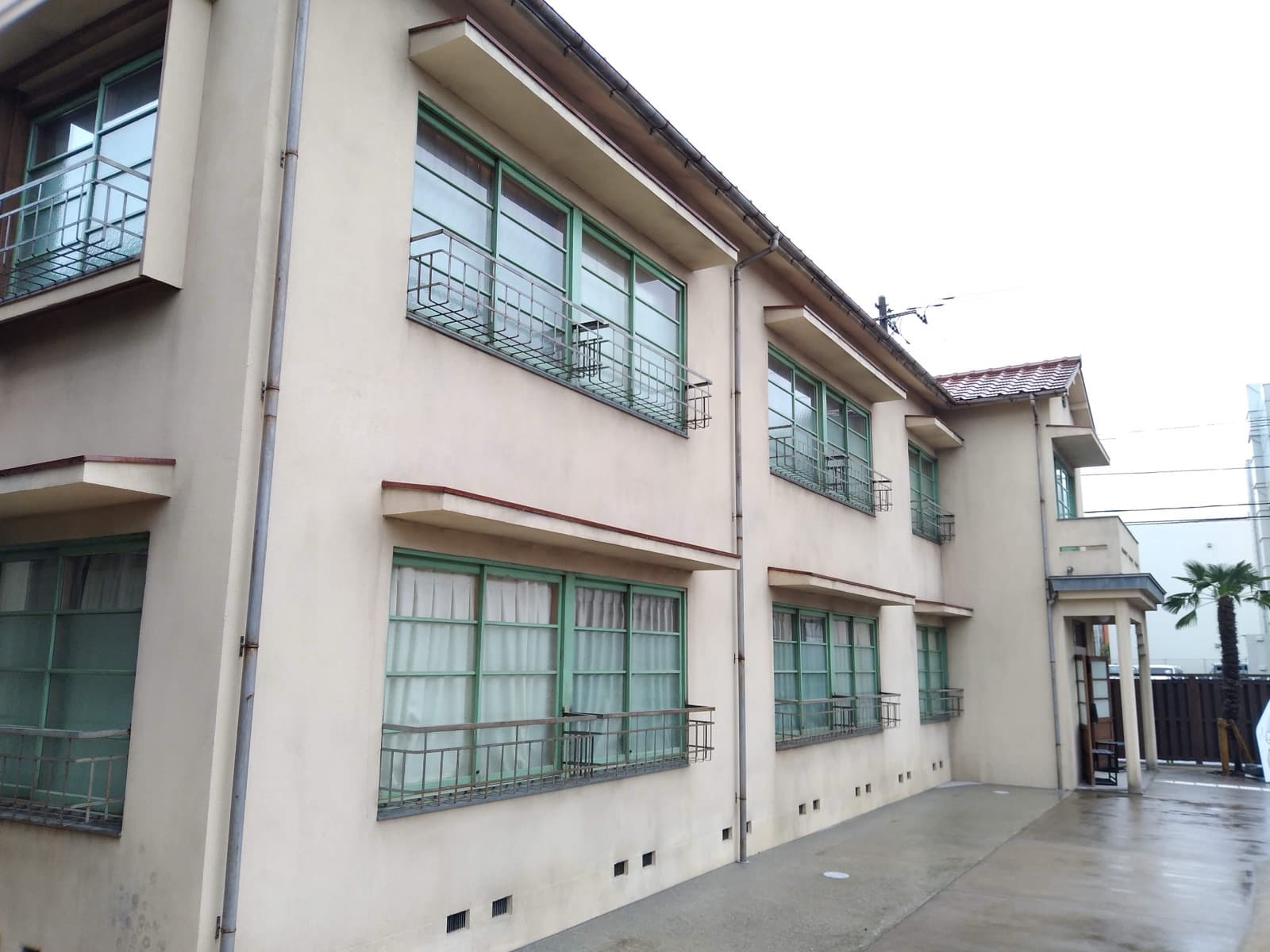
Tokiwa-so was a two-story wooden apartment building completed in December 1952 in the Shiinamachi area of Toshima, Tokyo. In the 1950s it became home to a cluster of young artists who would go on to define post-war manga.
The building itself was unremarkable, a small wooden two-story rental in what is now the Minami-Nagasaki district of Toshima City. What made it extraordinary was its tenants. For a few years in the 1950s, its cramped rooms held an improbable concentration of talent that later spread across the entire manga industry.
Osamu Tezuka, already established and later called the god of manga, lived there in the early 1950s, and his presence helped draw other aspiring artists to the address. The writer and artist Hiroo Terada was an early resident who became a central figure in gathering the group, lending the building its sense of a working community rather than just a boarding house.
The Fujiko Fujio pair, Hiroshi Fujimoto and Motoo Abiko, lived at Tokiwa-so for several years in the mid-1950s and into the early 1960s, the period when their partnership was taking shape. Both would later become household names, Fujimoto above all for Doraemon, created under the name Fujiko F. Fujio.
Other future stars passed through as well. Shotaro Ishinomori and Fujio Akatsuka joined the building, and Hideko Mizuno was among the artists who lived there, alongside several others. The roster reads like a directory of the people who built shonen, shojo and gag manga in the decades that followed.
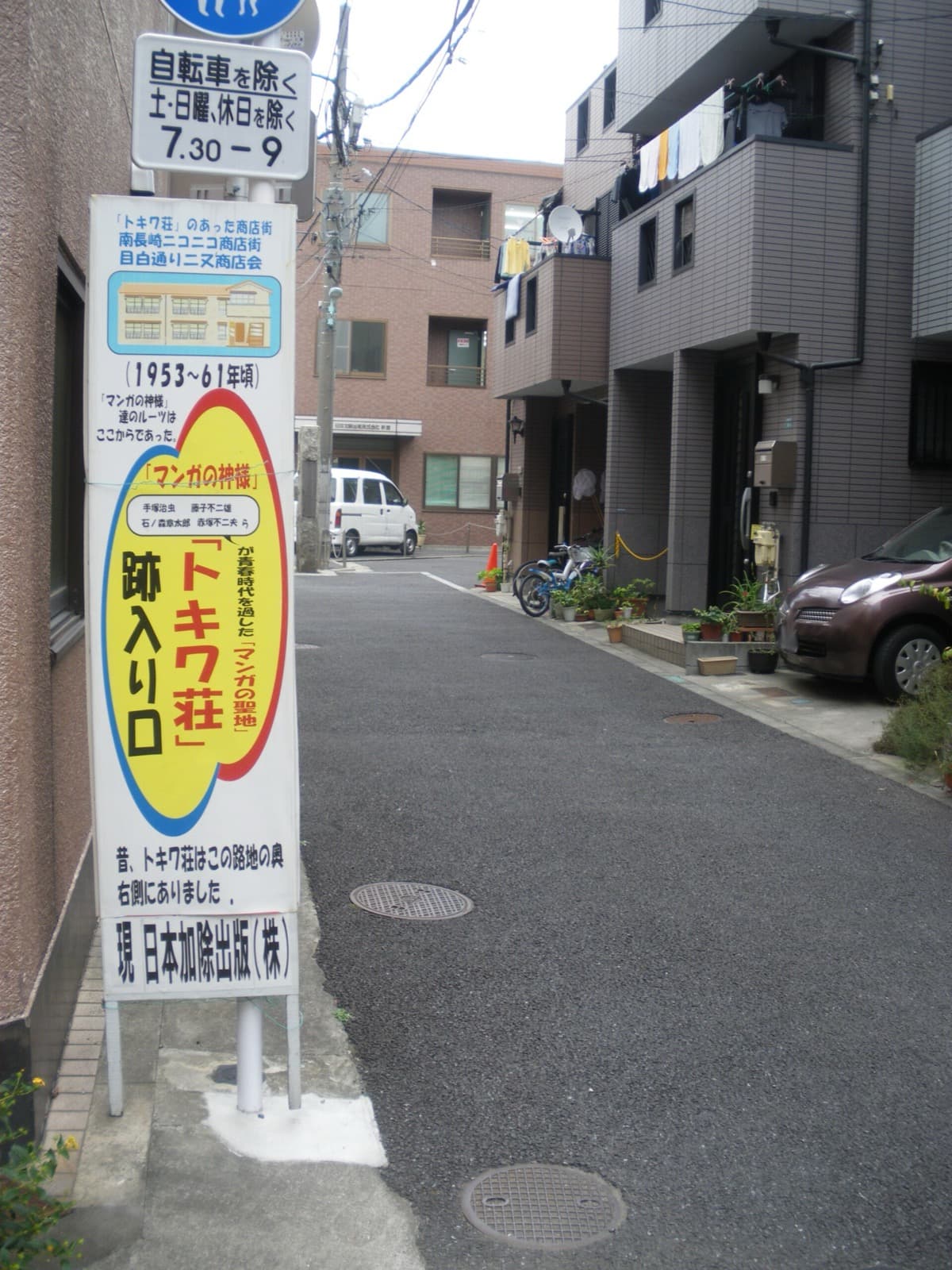
The original building did not survive. It was dismantled in 1982, leaving the legend without a physical home for nearly four decades. For fans and historians, the loss of the actual structure made the site itself a kind of pilgrimage point even when there was little left to see.
In July 2020, Toshima City opened the Tokiwaso Manga Museum, a full reconstruction of the apartment as it stood in the mid-Showa era. Built in Minaminagasaki Hanasaki Park, it recreates the communal kitchen, the shared facilities, the corridor and individual artists' rooms with deliberate, lived-in detail.
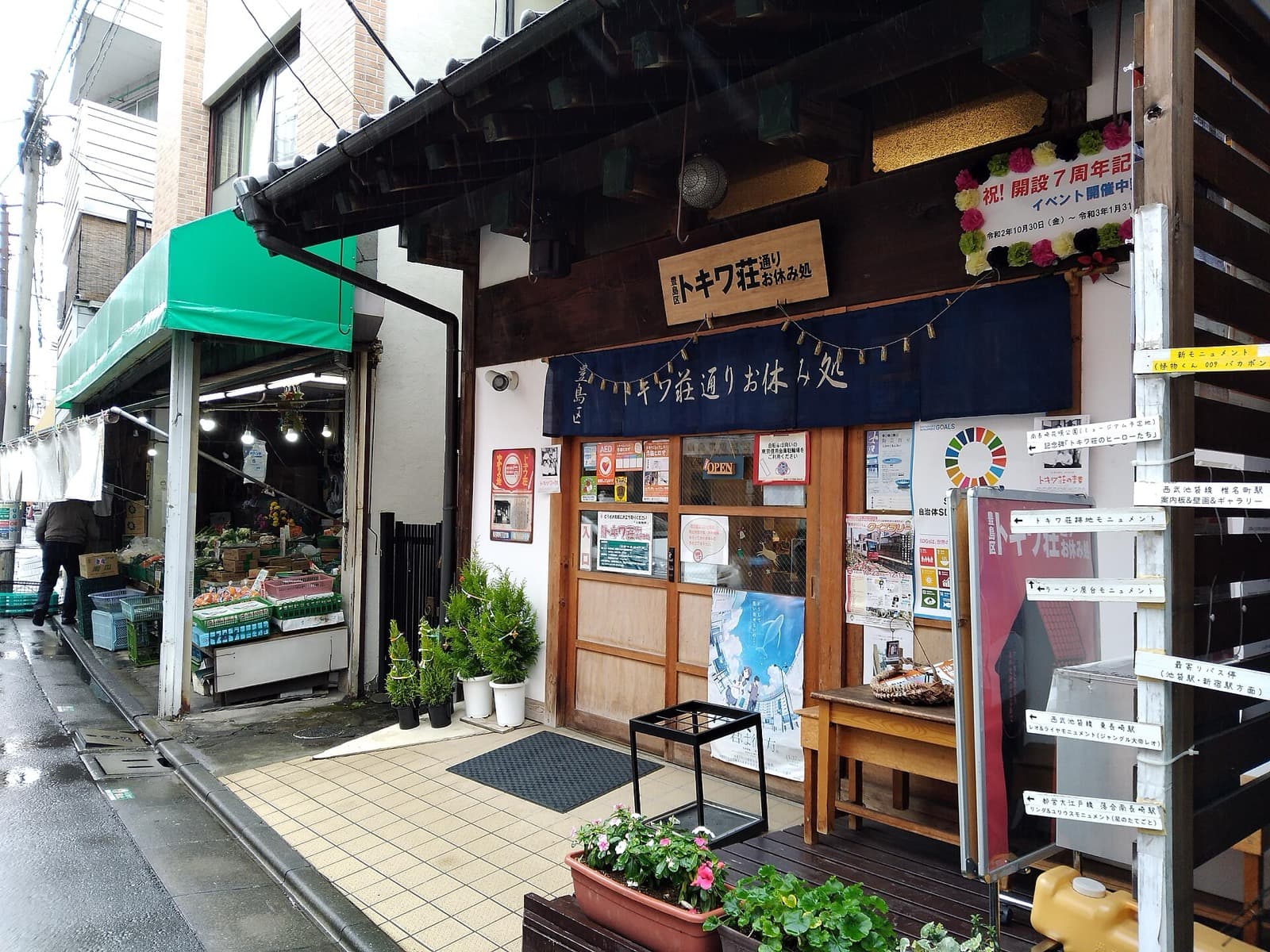
The recreation goes beyond architecture, reaching for the texture of daily life in a young artists' boarding house down to small touches that suggest the rooms were just left. The museum keeps regular daytime hours and closes on Mondays, and a nearby rest area and themed walking points connect the building to the surrounding neighborhood.
Compiled from public records.