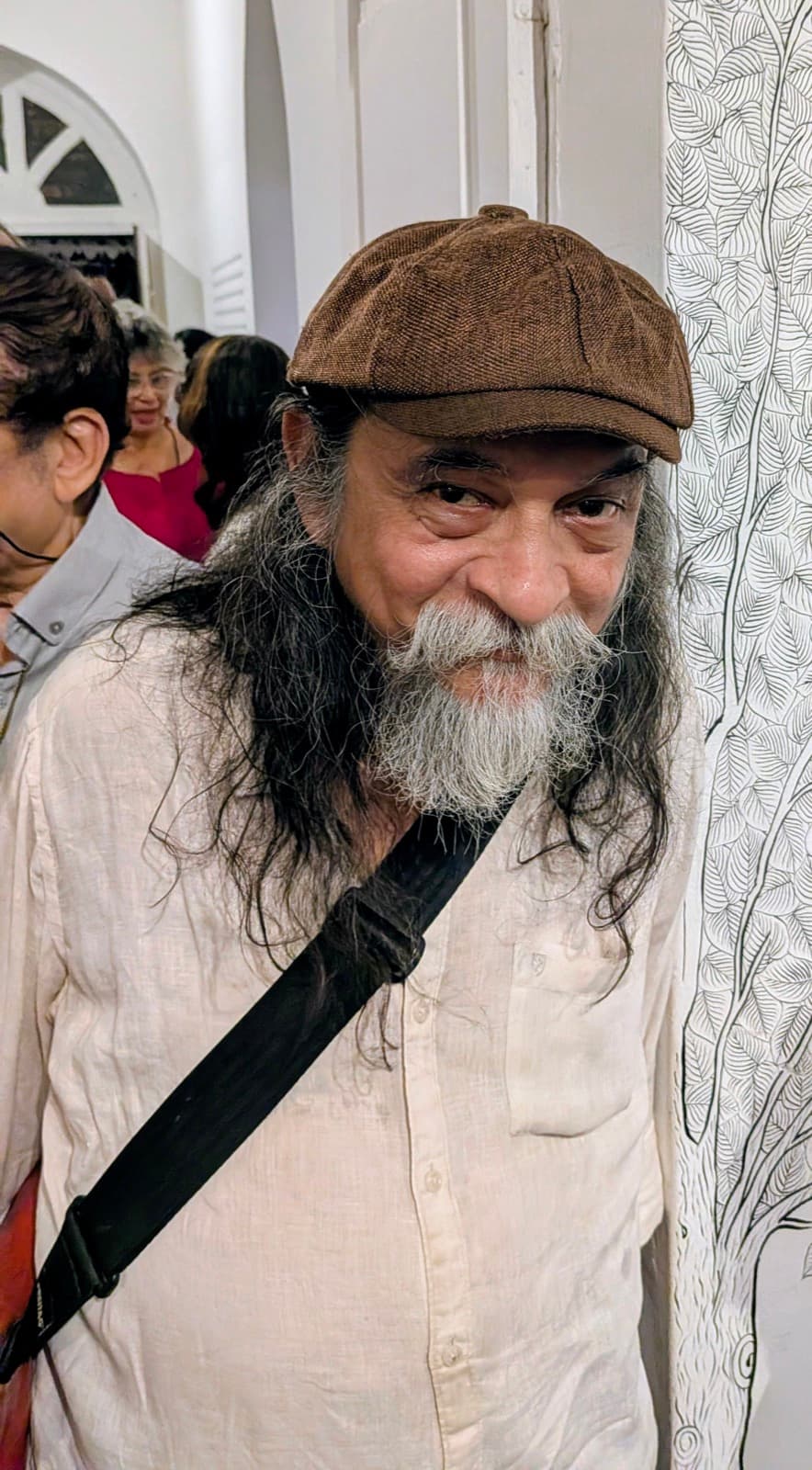
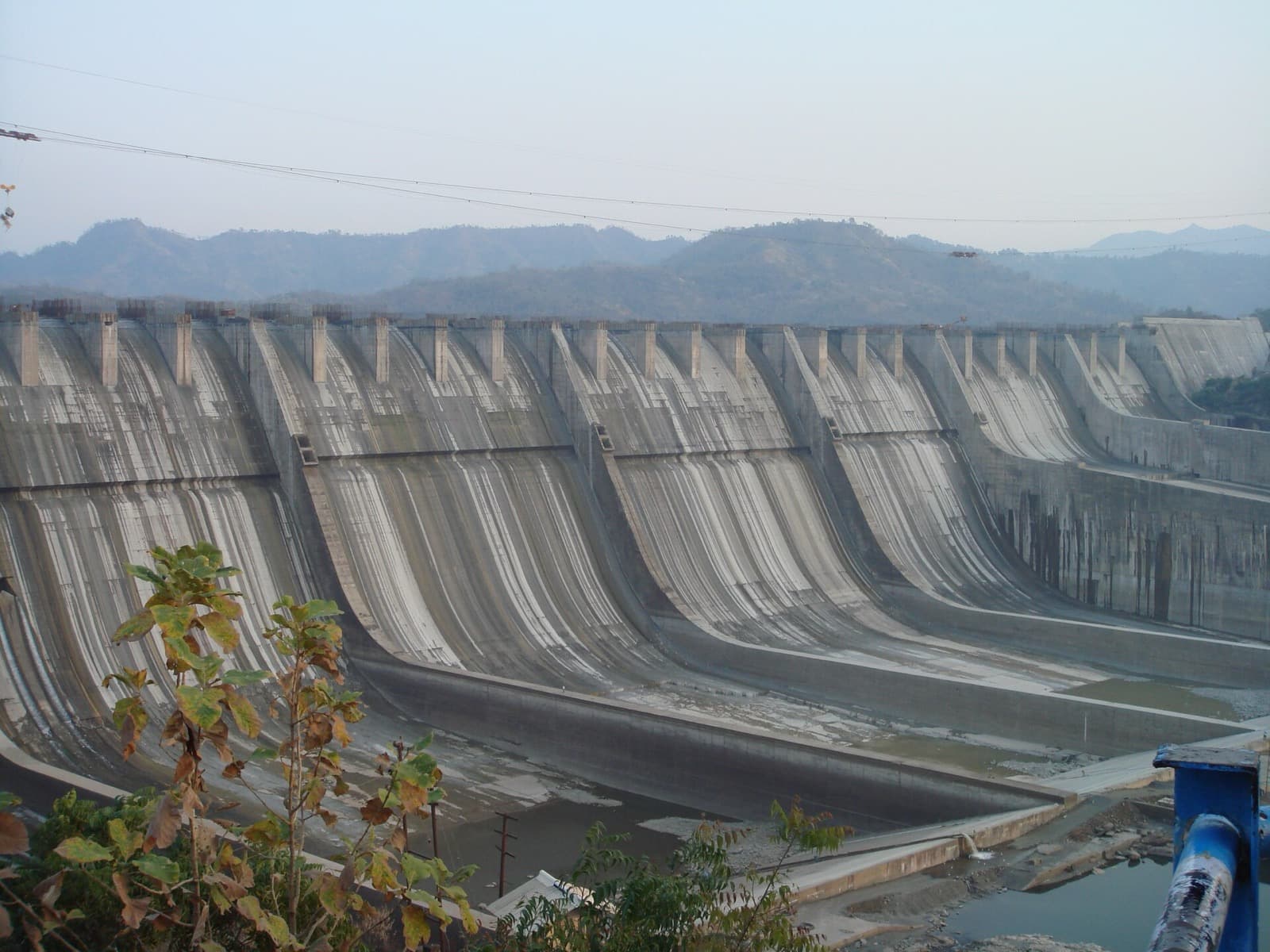
Published in 1994 with a small grant from the NGO Kalpavriksh, Orijit Sen's River of Stories is widely considered India's first graphic novel. It told the story of the environmental, social and political battle over the Narmada dam.
Orijit Sen, born in 1963, studied graphic design at the National Institute of Design in Ahmedabad in the 1980s. There he devoured whatever underground comics he could find, including Robert Crumb and Art Spiegelman. He has said that Spiegelman's Maus validated his artistic convictions and pushed him to pursue comics seriously.
After leaving NID, Sen became involved with the Narmada Bachao Andolan, working closely with activists and with the adivasis displaced by the dam project. That fieldwork became the spine of River of Stories, which follows characters such as Vishnu, Relku and Malgu Gayan through the controversy. A grant from Kalpavriksh allowed him to publish the book in 1994.
The market had no shelf for it. Many bookshops refused to stock River of Stories because it did not fit any category they displayed, and Sen ended up selling copies from People Tree, the collaborative studio and store for artists, designers and craftspeople he had co-founded in 1990. The book fell out of print by 1996.
Its afterlife proved the point it had made. As a serious readership for graphic novels developed in India over the following decades, the book became a sought-after landmark, and in 2022 Blaft Publications issued a new 25th anniversary edition with a foreword by Arundhati Roy. National media greeted the reissue as the return of a founding text.
Sen never stopped building the culture around the form. In 2009 he became one of the five founders of the Pao Collective, which set out to support comics as a medium in India, and PAO: The Anthology of Comics, published by Penguin India in 2012, won the Comic Con India award for best graphic anthology. He also edits Comixense, a comics quarterly for young readers.
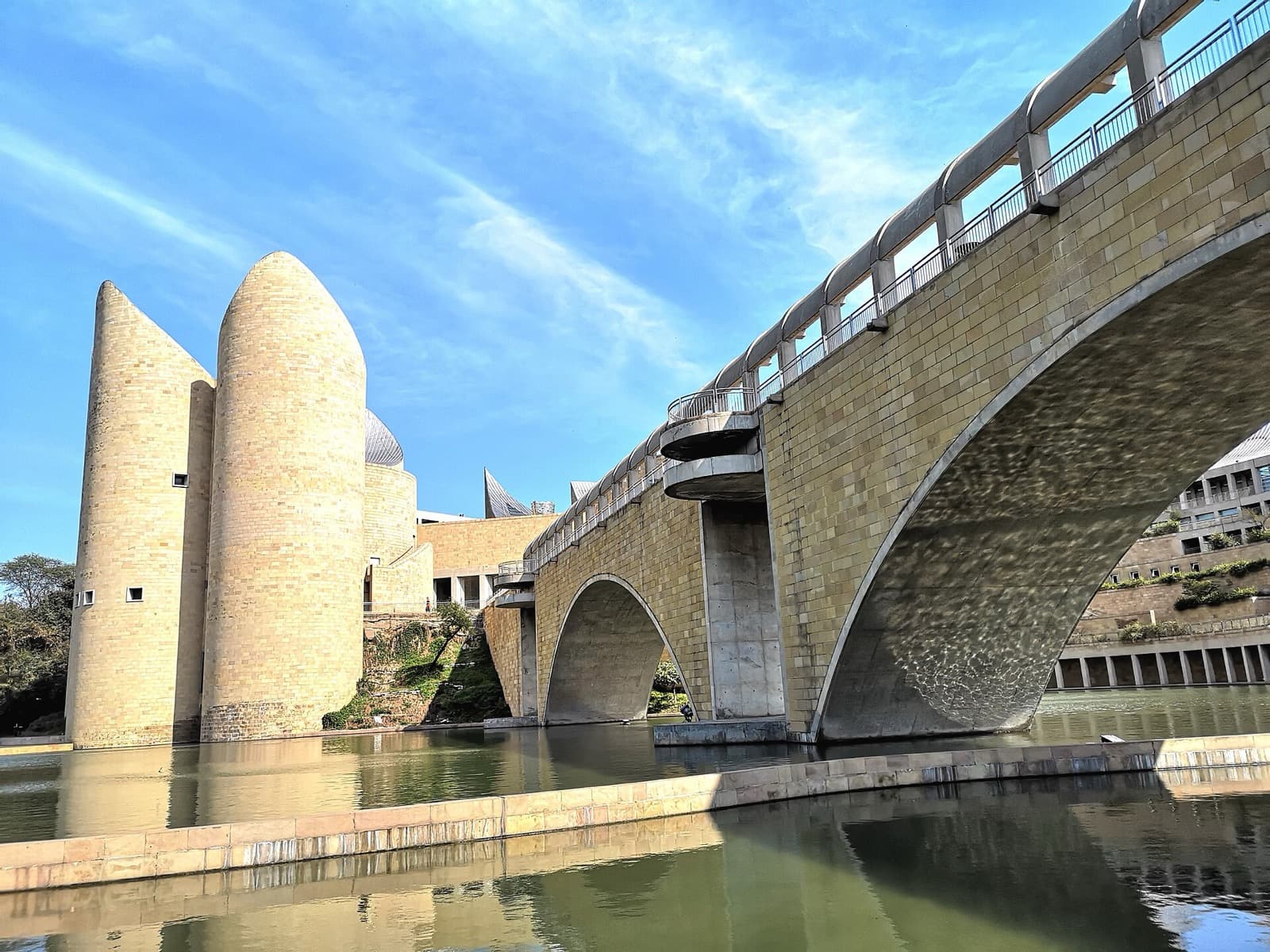
His largest canvas is not a page at all. Sen conceived A Place in Punjab, a walk-through mural experience at the Virasat-e-Khalsa museum in Anandpur Sahib designed by architect Moshe Safdie, executing it with 13 collaborators before it opened in November 2011. His work has been exhibited in India, England, Russia, France, Japan and Canada.
Today Sen holds the Mario Miranda Chair as visiting professor at Goa University, where he initiated the Mapping Mapusa Market documentation project. The project brings artists, designers, students and the public together to document a historical Goan market through illustration, photography and interviews. Three decades after bookshops turned it away, River of Stories reads as the source of a river indeed, the point where Indian comics turned toward reportage, memory and dissent.
Compiled from published archives and public records.