Priya's Shakti, created by filmmaker Ram Devineni and comics artist Dan Goldman, was launched at Mumbai Comic Con in December 2014. Its heroine Priya, a gang rape survivor who rides a flying tiger, became a global symbol against gender-based violence.
The project began in the aftermath of the 2012 Delhi bus rape. Indian American filmmaker Ram Devineni travelled across India and parts of Southeast Asia for almost a year, consulting activists against gender-based violence along with sociologists, philosophers and poets. In New York he teamed up with comic book designer Dan Goldman to turn that research into a graphic novel, published by Rattapallax in 2014.
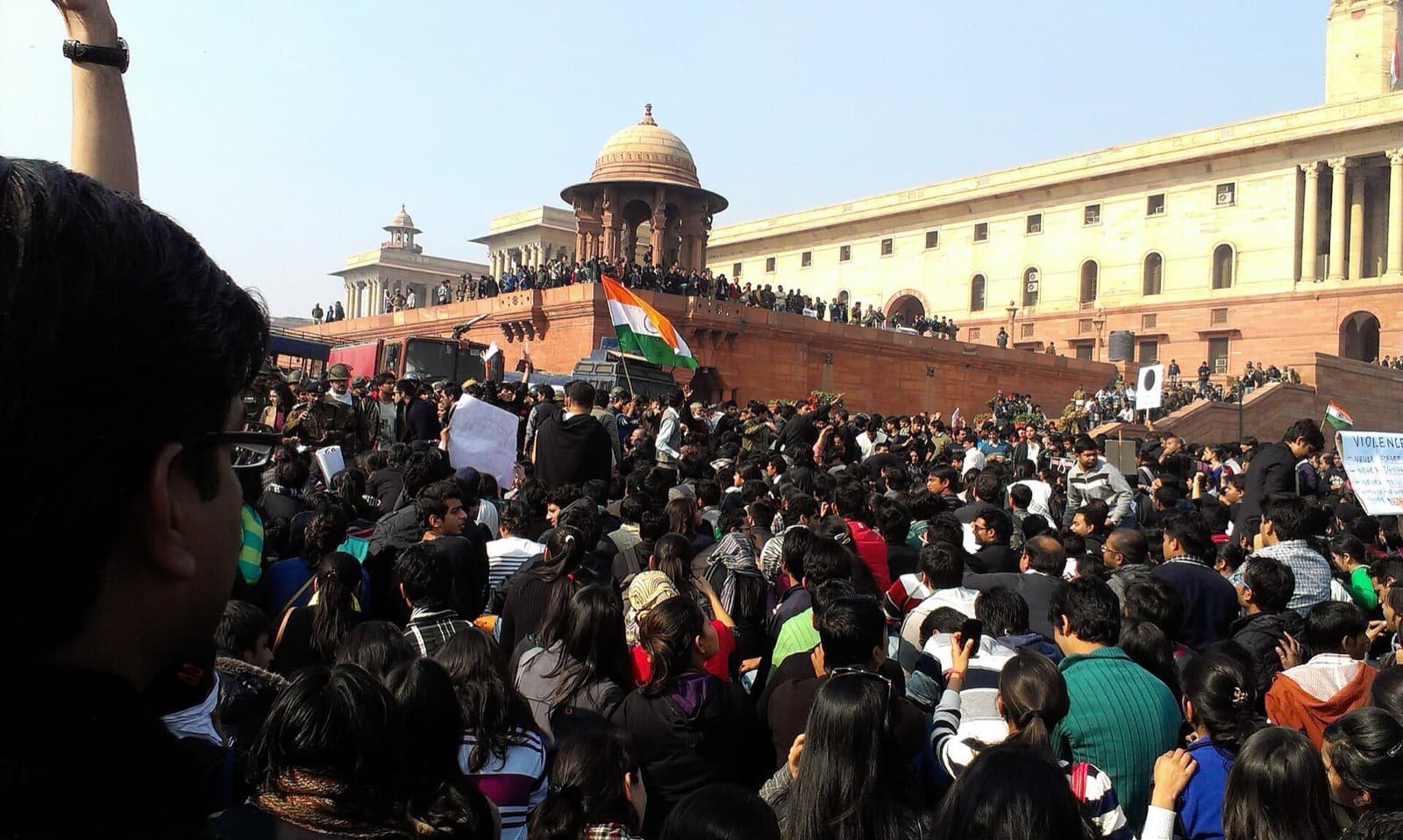
The story confronts stigma head-on. Priya, a young villager, is gang raped and then shunned by her own family, while village elders blame her for provoking the men. When she flees to the forest in despair, the goddess Parvati sees her plight, and the divine intervention that follows ends with Priya returning not for revenge but as a champion of change.
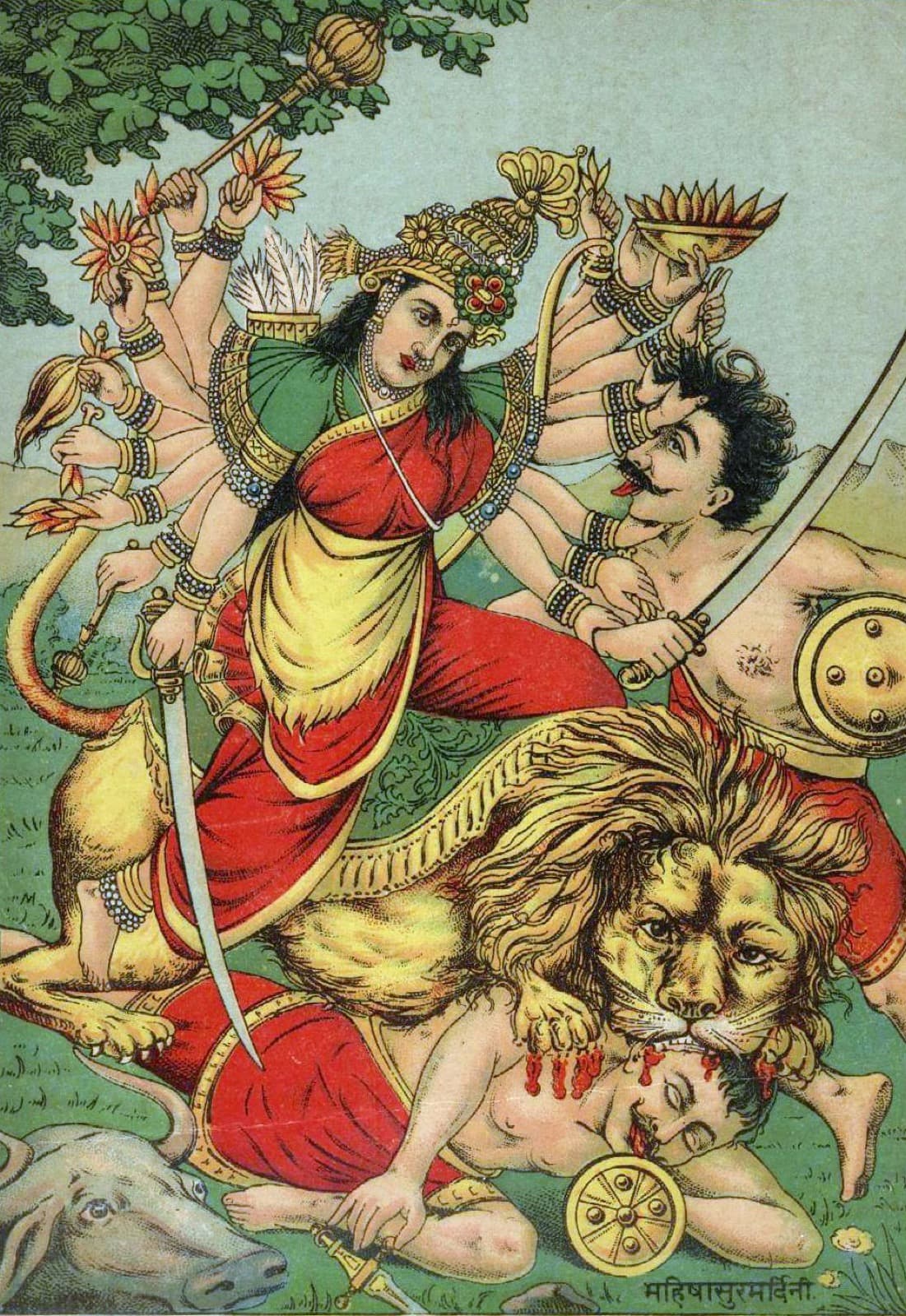
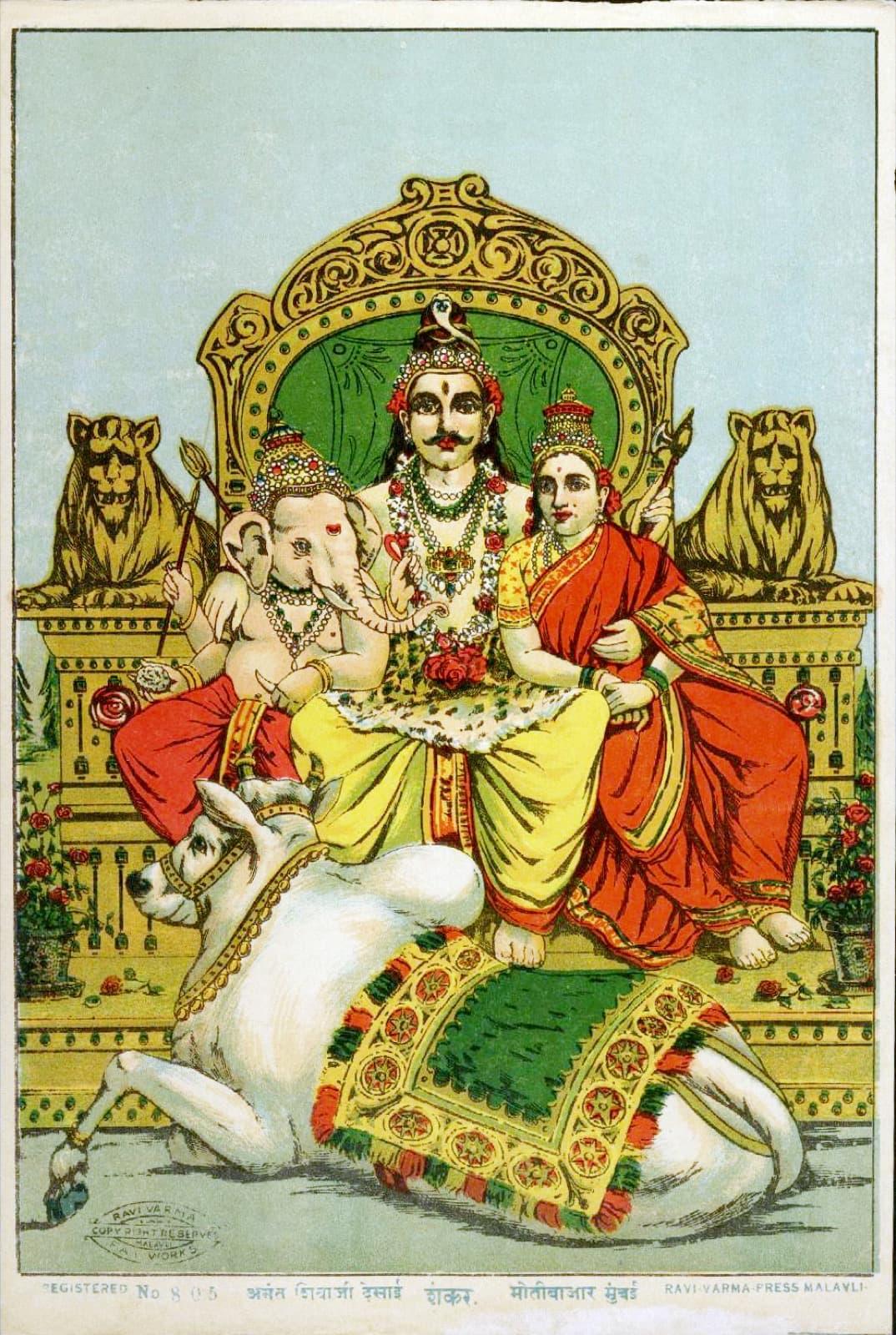
The mythology is the message. Shakti means strength, and Priya's power is persuasion, the courage to speak, embodied by the flying tiger she rides, named Sahas, the Hindi word for courage. The creators deliberately drew on goddess iconography, placing a survivor where tradition places the divine.
The technology was a first for India. Priya's Shakti was the country's first augmented reality comic book, its pages coming alive with animations and true stories when scanned with the Blippar app, with the Artivive app used today. Murals in Mumbai and other cities could also be scanned with a smartphone to play video, and exhibitions travelled to New York, Torino, Barcelona, London, Rome and Dubai.
Distribution matched the mission. Produced in Hindi and English, the comic was released as a free download and distributed in schools, while a selfie campaign under the standwithpriya banner ran in partnership with the NGO Apne Aap Worldwide. The project received a 2014 grant from the Tribeca Film Institute New Media Fund, supported by the Ford Foundation, and UN Women named Priya a Gender Equality Champion in 2014.
The sequels widened the fight. Priya's Mirror, released in 2016 with co-writer Paromita Vohra and funding from the World Bank's WEvolve programme, stood with acid attack survivors and won a Special Jury Prize at the 2017 FilmGate Interactive Media Festival. Priya and the Lost Girls, written with Dipti Mehta in 2019 after Devineni's visits to Kolkata's Sonagachi district, took on sex trafficking.
The series has kept flying. Priya and the Wolves followed in 2020, then Priya and the Swarm, Priya and the Twirling Wind, and Priya and Sahas by 2023. A decade on, India's first AR comic remains its most pointed, a superhero built not to punch villains but to change minds.
Compiled from published archives and public records.