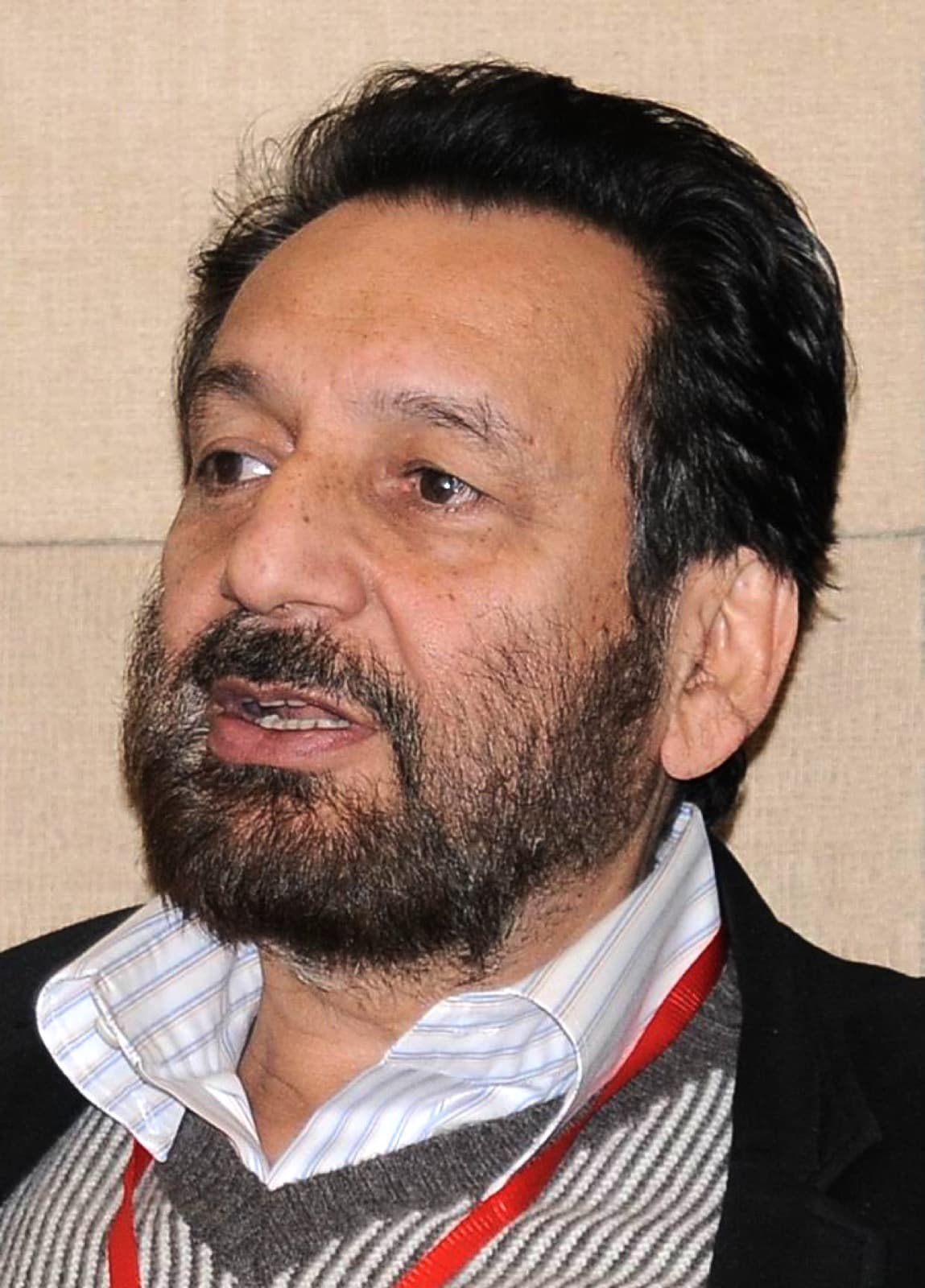
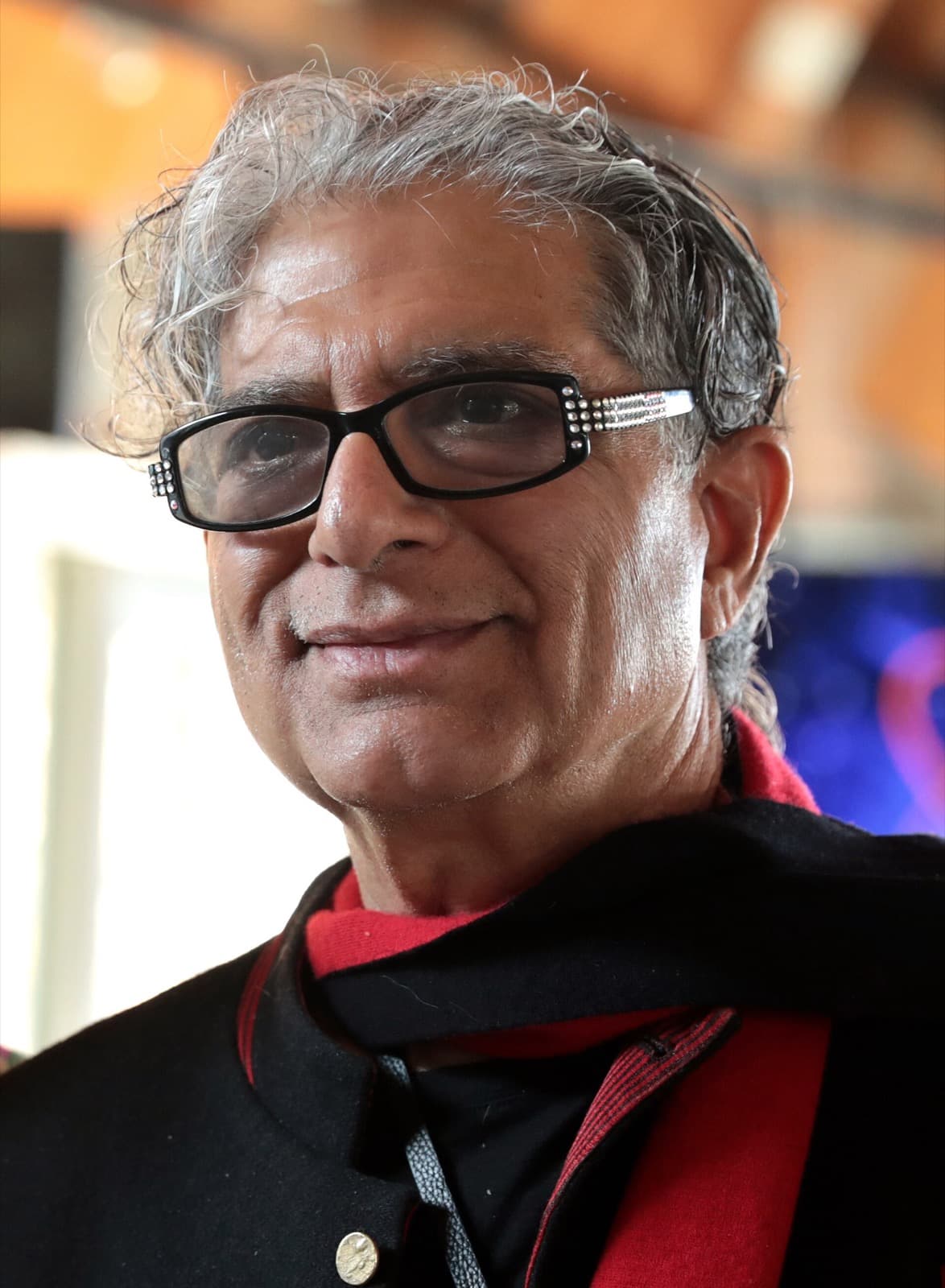
Founded in 2006 by Richard Branson, Deepak Chopra, Shekhar Kapur and the team behind Gotham Entertainment, Virgin Comics set out to retell Indian myth for the world. Its Shakti line, and successors like Vimanika, defined a decade of mythological comics.
Virgin Comics grew out of an earlier partnership. Gotham Studios Asia, announced in late 2004 between Deepak Chopra, filmmaker Shekhar Kapur and Gotham Entertainment Group, then South Asia's largest comics publisher, became Virgin Comics once Richard Branson came aboard in 2006. Sharad Devarajan took the CEO role, Gotham Chopra became chief creative officer, and Suresh Seetharaman ran the animation arm from India.
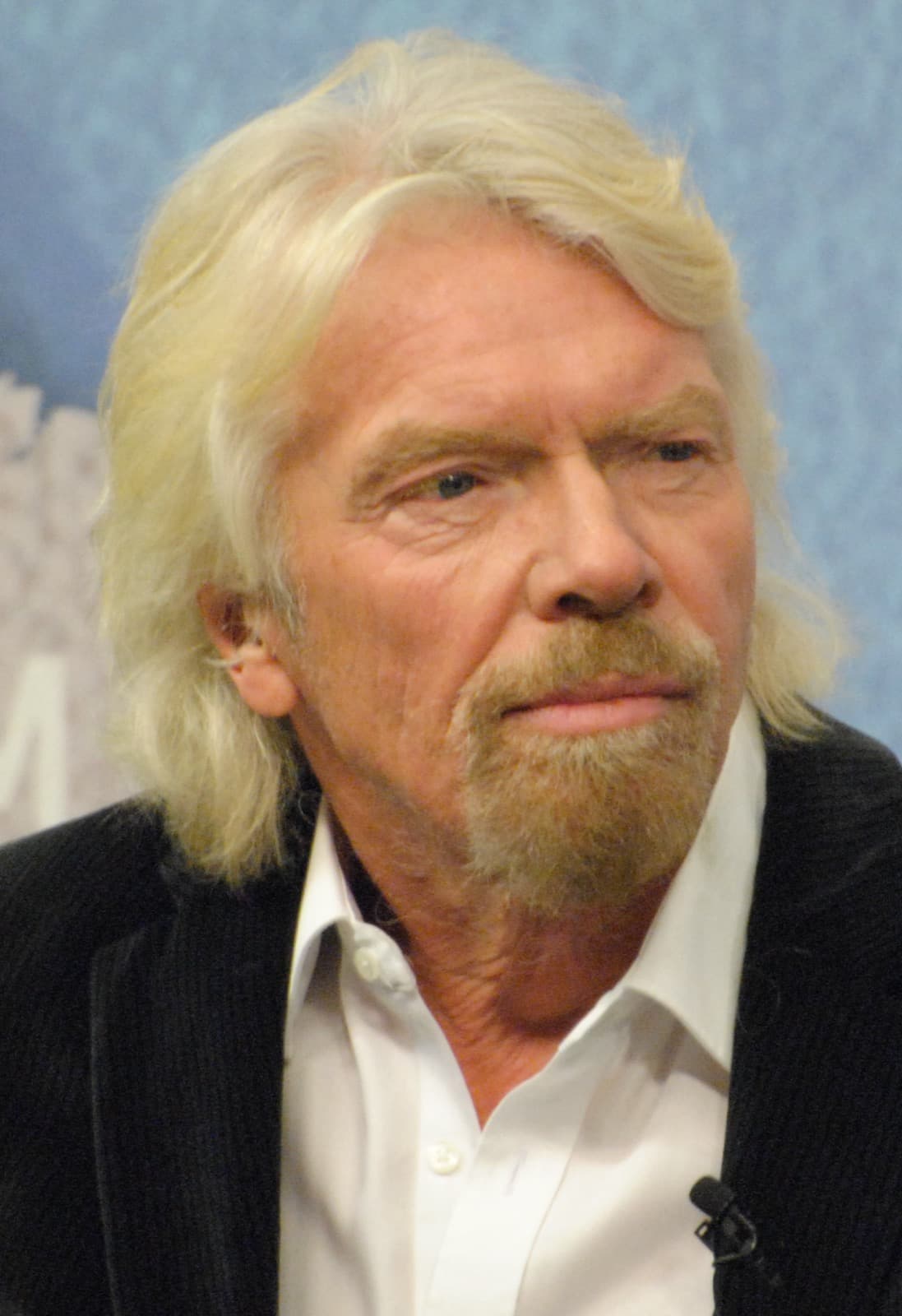
The ambition was stated plainly. The founders spoke of sparking a creative renaissance in India and of characters that could appeal to audiences from Boston to Beijing to Bangalore, citing the global impact of Japanese anime and manga as the model. The operation ran with headquarters in New York and a studio in Bangalore, which the founders planned to staff with roughly 150 people, most of them artists.
The flagship was the Shakti line, named for the Sanskrit word for power. Its debut titles were Devi, in which the gods rebirth a warrior of the light in the decaying city of Sitapur to fight the renegade god Bala, and The Sadhu, a mystic's tale of revenge written by Gotham Chopra himself. The books wrapped Indian mythology, art and classical stories in modern genre storytelling.
Ramayan 3392 AD was the wave's high-water mark. Created by Deepak Chopra and Shekhar Kapur and written by Shamik Dasgupta, it launched in September 2006 as a science fiction retelling of the Ramayana, with its first cover painted by Alex Ross. The series ran eight issues before relaunching as Ramayan 3392 AD Reloaded in 2007.
Hollywood was part of the plan from the start. The Director's Cut line gave filmmakers an unlimited paper budget, with Shekhar Kapur, Guy Ritchie and John Woo creating original comics. John Woo's Seven Brothers, scripted by Garth Ennis, became Virgin's highest-profile western release in October 2006, and Guy Ritchie's Gamekeeper was optioned by Warner Brothers.
The wave broke quickly. Virgin Comics closed its New York office in August 2008, and after a management buyout that September the company was renamed Liquid Comics. In 2013 the operation refocused into Graphic India, Devarajan's digital comics and animation startup, carrying the mythological catalogue into the streaming age.
Others kept the flame lit at home. Vimanika Comics, founded in 2008 by Karan Vir Arora, built its entire list on Hindu mythology, opened a UK arm, and sponsored Comic Con India in Delhi in 2015. The Virgin experiment lasted barely three years, but it proved that Indian epics could anchor ambitious commercial comics, a lesson every mythology publisher since has built on.
Compiled from published archives and public records.