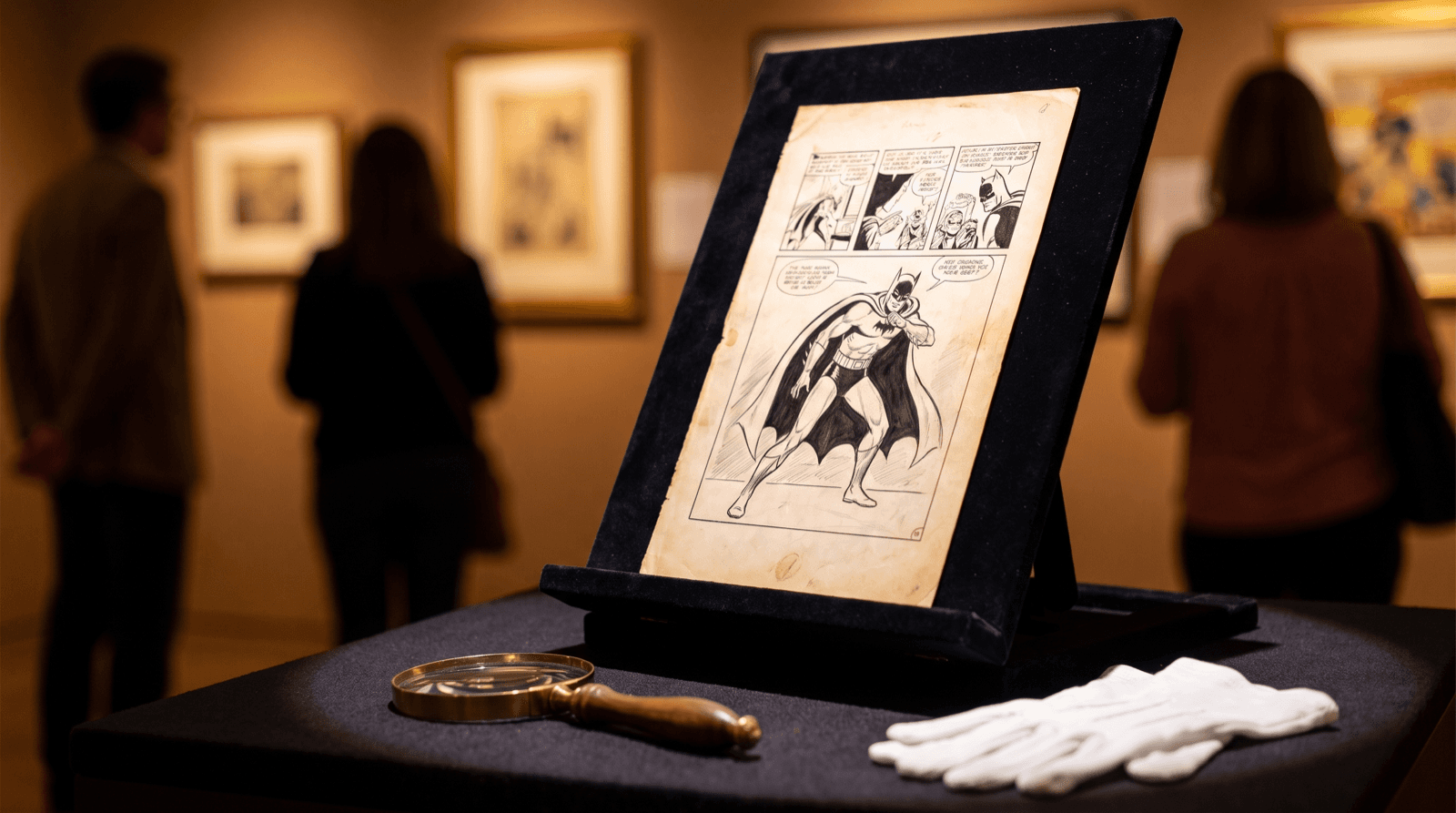
The very first page of Iron Man's very first story is going under the hammer.
The original splash page that launched one of Marvel's most enduring franchises is going under the hammer this July, as Heritage Auctions leads its Comic Art Signature Auction with page 1 of Tales of Suspense No. 39, the March 1963 issue that introduced Iron Man to the world. Drawn by Don Heck, the page captures the very first appearance of Tony Stark's armored alter ego, the moment the character began to live and walk across the comic page. The sale runs on July 10 and 12, and the Iron Man page anchors a roster of original art drawn from the medium's foundational era.
The rarity of such material is exactly what gives the page its weight. Original artwork from the first appearance story of a truly major character seldom comes up for sale, and the very first page of such a story is rarer still, as Heritage Auctions Vice President Barry Sandoval noted about the Heck original. Iron Man, co-created by Heck alongside Stan Lee, Larry Lieber and Jack Kirby, went on to become a cornerstone of the Marvel universe, eventually anchoring a film franchise that reshaped Hollywood in the 2000s. Owning the page that started it all is, for serious collectors, a chance to hold the birth of that legacy.
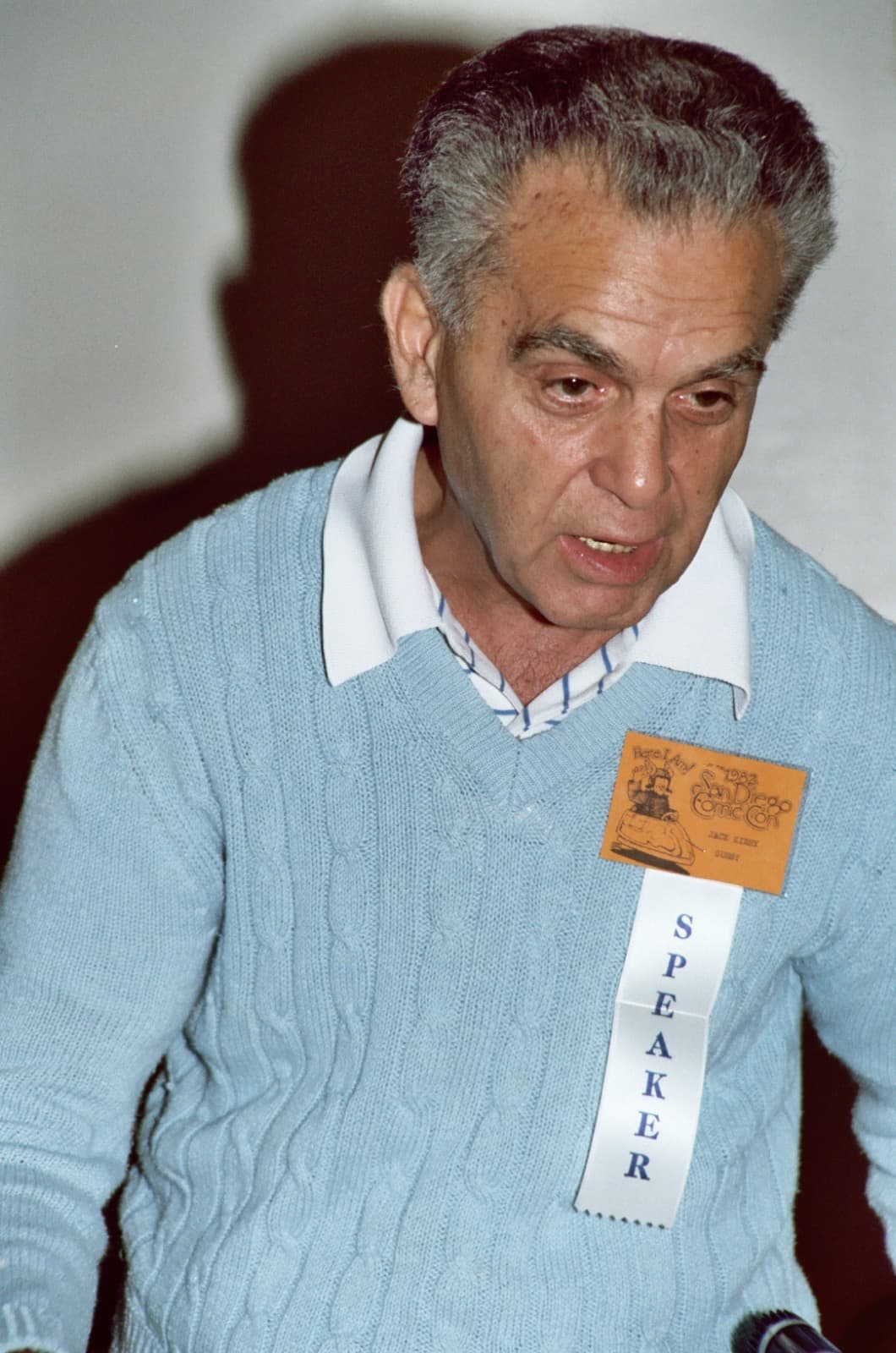
Don Heck himself is a central figure in the story. Donald L. Heck, who lived from 1929 to 1995, was an American comics artist best known for co-creating Iron Man and the Wasp and for his long run penciling The Avengers during the Silver Age of the 1960s. His clean, grounded draftsmanship helped define the look of early Marvel, and his contributions are now drawing renewed attention as the market for original Silver Age art continues to mature. The Tales of Suspense No. 39 page stands as one of the clearest monuments to his place in comics history.
The auction extends well beyond Iron Man, gathering work from the genre's founding artists including Joe Shuster, Alex Schomburg, Larry Lieber, Jack Kirby and Charles Schulz. Among the cover highlights is the original art by John Byrne and Terry Austin for Secret Wars II No. 1, a 1985 Copper Age title that reunited the celebrated X-Men art team for a sequel to the previous year's crossover event. The ensemble of popular characters on that cover made it a standout before such company-wide crossovers became routine, and the debut was the year's top-selling issue to comic shops.
A substantial group of Joe Shuster material adds further depth, with a dozen lots tied to the Superman co-creator. These include faithful recreations he drew in the 1980s of the iconic covers for Action Comics No. 1 and Superman No. 1, pieces that would pair naturally with the Golden Age copies of those same comics offered in Heritage's companion Comic Books sale. Also among the Shuster lots is his proposal for a series of Superman educational comics, intended to teach astronomy, science, world history and geography in the service of promoting world peace, democracy and understanding.
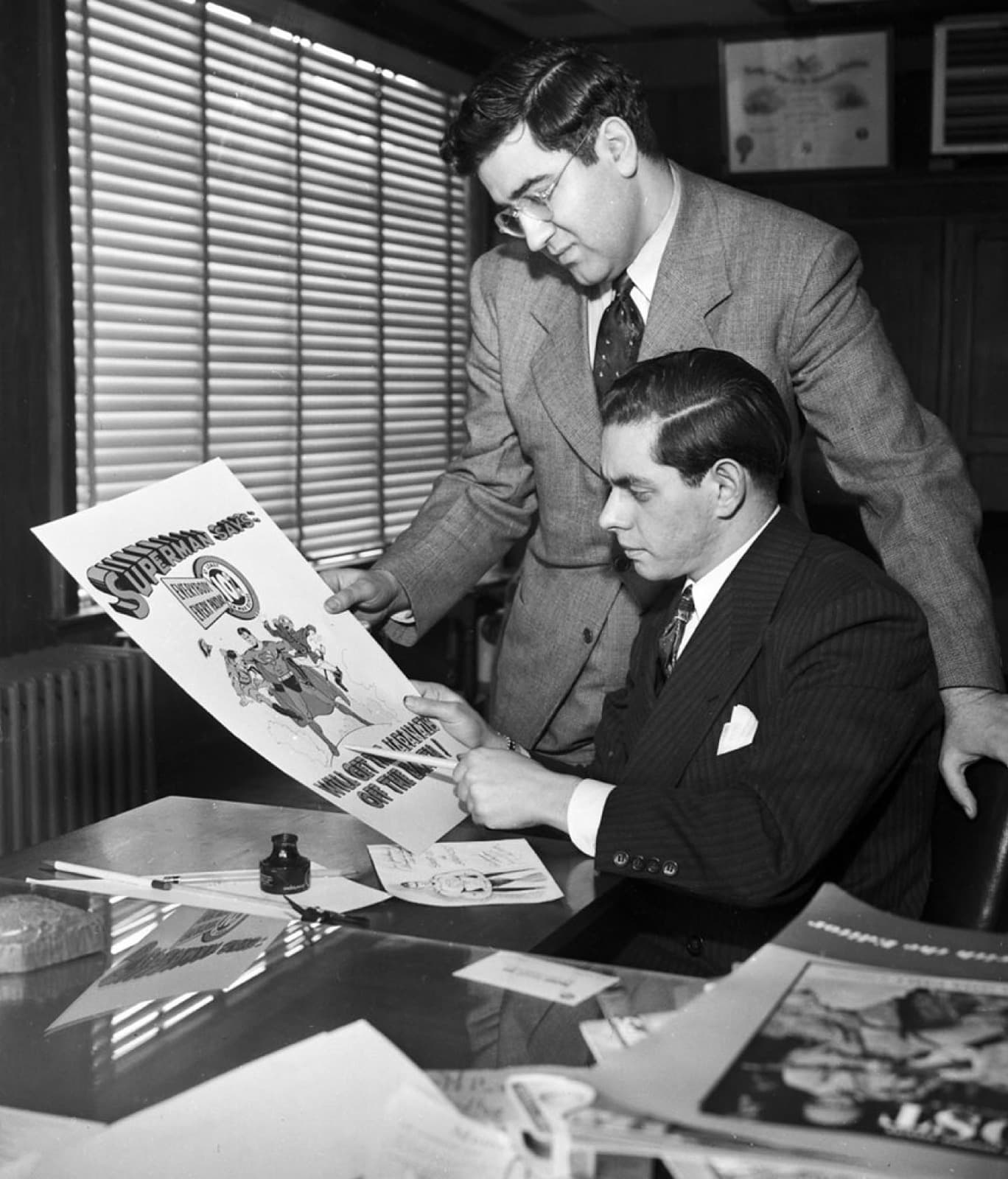
Perhaps the most revealing Shuster item is a complete 13-page set of preliminary drawings for the story The Molten World in Superman No. 43. The lot is particularly significant because it is a whole Superman story from Shuster's own hand, Sandoval said, noting that John Sikela and George Roussos were credited as artists when it appeared in print but that the published version did not match the dynamism and vitality of these preliminaries. The pages carry added historical weight given that Shuster's active connection to Superman ended in 1947, when he and co-creator Jerry Siegel were dismissed by DC after their lawsuit over the character.
The sale rounds out with further treasures: the first-appearance cover art for Captain Britain No. 1 by Larry Lieber, brother of Stan Lee; thirteen finely detailed painted recreations by Alex Schomburg of his most famous Golden Age covers, the originals of which likely did not survive from the 1940s; and seven Charles Schulz Peanuts works, including a 1964 daily strip crowded with beloved characters that Sandoval suggested could fetch one of the highest prices ever paid for a daily Peanuts strip. The breadth underscores Heritage's standing in the field, a department that has sold more than one billion dollars in comics and comic art since 2001.
Reported by Comic Art Fans.