Mint reports independent Indian comics are evolving fast — complex plots, mature humour, and a readership that's no longer just kids.
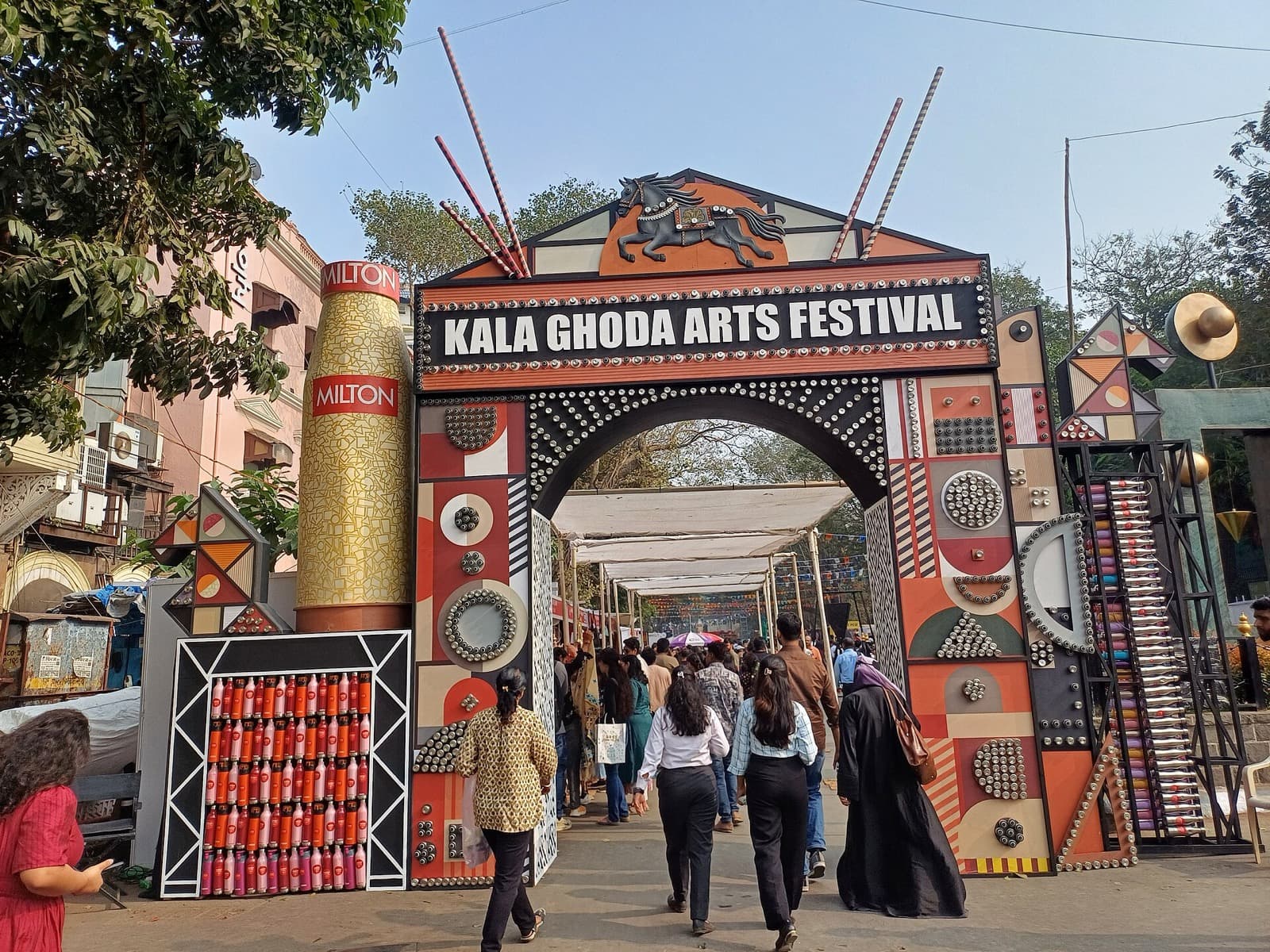
The Indian comic book, long filed under children's reading alongside Tinkle and Amar Chitra Katha, is quietly growing up. A new generation of independent creators is producing work built on layered storylines, mature humour and themes that speak to adolescents and adults rather than only to kids. At a recent edition of the Kala Ghoda Festival in Mumbai, a children's literature segment drew packed rooms of teens and young adults for sessions on comics and graphic novels, with independent creators a particular draw. The shift in who shows up, and who buys, is reshaping the medium from the inside.
Names like Unbearable Comics, Holy Cow Entertainment and Meta Desi Comics have built loyal followings among readers whose tastes have widened well beyond the classics. Unbearable Comics, the work of Bajro Narayan Dutta, Prathamesh Gandhi and Vignesh Ramesh, saw the first volume of its ghost-hunting action-adventure series Eyes 'n' Daggers sell out at Comic-Con Bengaluru in 2022. The trio partnered with the self-publishing platform IndiePress to print and distribute the series. As Ramesh put it, a self-publishing platform frees creators to experiment with story formats that traditional houses might not take on.
Few figures embody the change as clearly as Abhijeet Kini, the Mumbai illustrator and animator who runs Abhijeet Kini Studios and created the Angry Maushi series. Kini argues that India now has a deep bench of independent comic houses and creators, each with a distinctive style and a readership that spans teens and adults. He has said that comic books in India today explore dark humour, sociopolitical satire, indigenous superheroes rooted in mythology, and horror. The simplistic plots and child-like jokes of an earlier era have given way to mature gags and complex plotlines.
The retail side tells the same story. Hamza Sayed, who in 2022 opened the Comic Book Store in Mumbai, billed as India's first exclusive comic book store, points to a clear uptick in young readers and adults asking for independent titles. He notes that platforms such as IndiePress distribute self-published work, and that even large publishing houses now run imprints aimed at independent creators. In his words, comic books today resemble well-directed movies, offering an immersive and visually rich storytelling experience rather than a quick read for children.
The visual grammar has changed along with the audience. Where a traditional Amar Chitra Katha packs many small panels onto a page, newer Indian comics often let a single dialogue or scene fill an entire spread, borrowing the pacing of cinema. Titles increasingly mine local lore through indigenous superheroes, as with the Dracula series from Bullseye Press or Ravanayan from Holy Cow. The result is a medium that looks and reads very differently from the serialised editions many Indians grew up with.
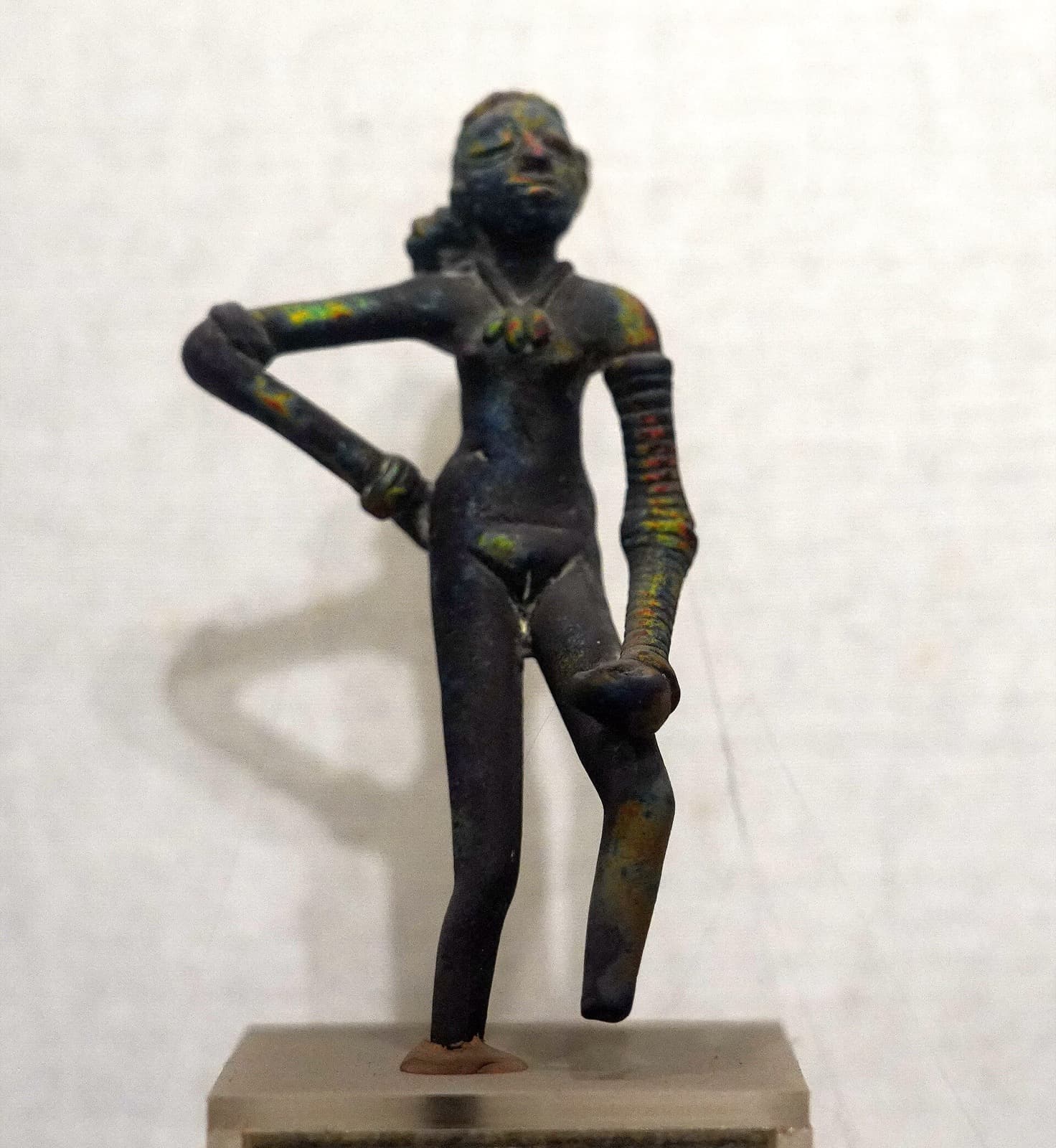
Crucially, the genre is being used to explore history, identity and dissent. People of the Indus (2022), by Nikhil Gulati and Mark Kenoyer, demystified the Indus Valley Civilisation through story, showing how comics can make the past accessible to young readers. Themes also intersect with contemporary anxieties, as in Debasmita Dasgupta's Terminal 3: A Graphic Novel Set in Kashmir (2023), which follows a young girl preparing to represent India at an international jiu jitsu tournament while wrestling with uncertainty. These are not stories pitched at small children.
Mainstream publishers are taking notice. Where houses once produced their own serialised editions, popular publishers now collaborate with independent creators directly. One of the most talked-about Indian comics of recent years, Maithili and the Minotaur: Web of Woe (2021), written by C.G. Salamander and illustrated by Rajiv Eipe, was published by Penguin Random House and is filled with weird characters, flights of fantasy and dark, wicked humour. Salamander has noted that while he restricts his themes in prose, with comics those rules fly out the window, a freedom that increasingly defines the independent Indian scene.
Reported by Mint.