Bahadur, whose name means The Brave Man, debuted in Indrajal Comics in December 1976. Created by the painter and writer Aabid Surti, he was an answer to the foreign heroes who then ruled Indian comics.
By the mid 1970s the Indian comics market belonged to imported heroes, with The Phantom, Mandrake, Flash Gordon and Tarzan dominating the racks. Bennett, Coleman and Co., publisher of Indrajal Comics, wanted an Indian character who could compete with them. Surti, then freelancing for the company, offered a hero he had conceived a few years earlier.
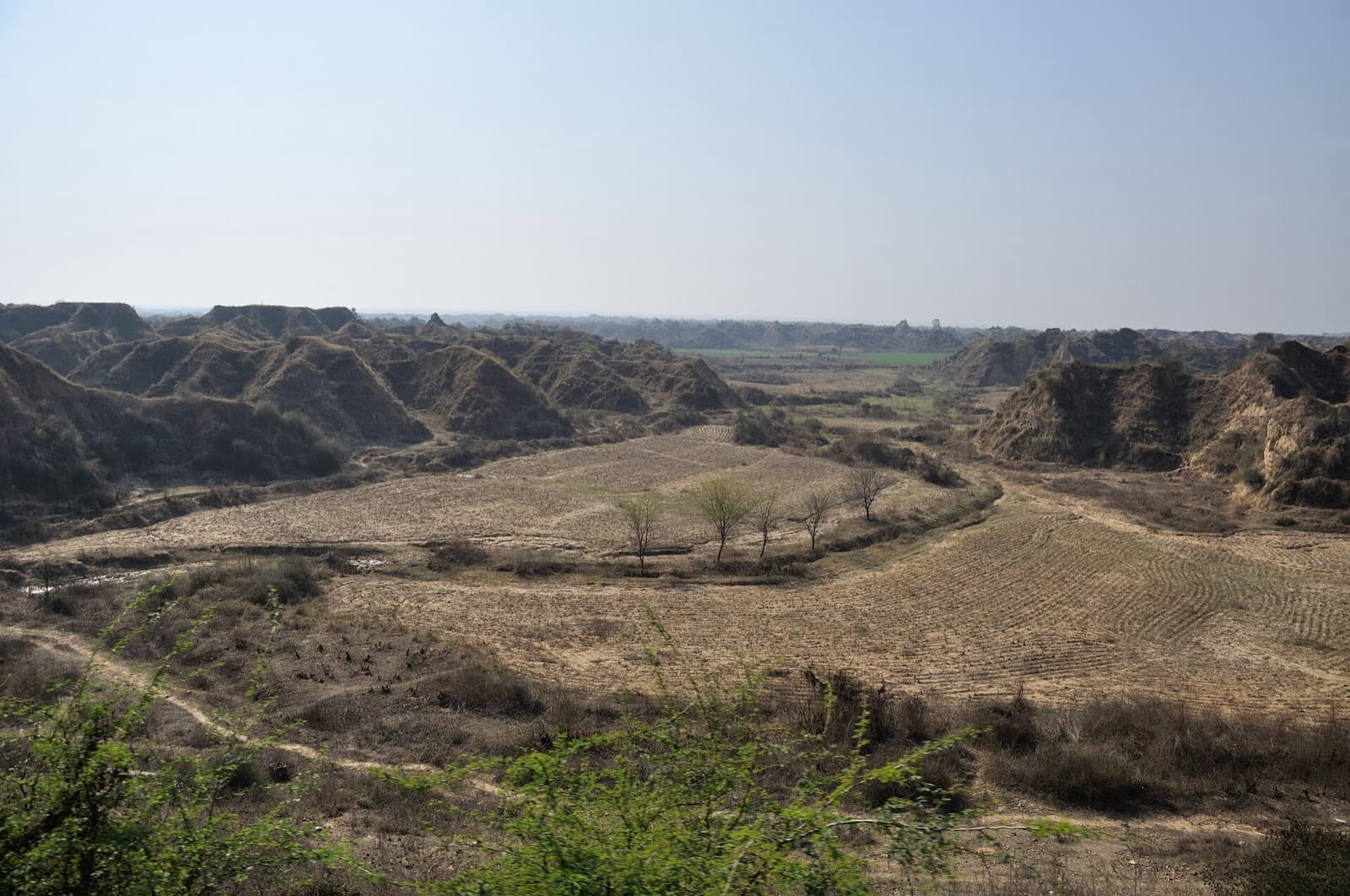
Bahadur was rooted in the headlines of his decade. Dacoity was at a peak in 1970s India, the Chambal valley was growing notorious, and there were public exhortations for citizens to band together against crime. Surti built his hero directly from that moment, a man who organises ordinary people into a defence force against the bandits.
The backstory carried a moral twist. Bahadur is the son of the dacoit Bhairav Singh, who dies in combat with the police, and the teenager is adopted by Vishal, the very officer who shot his father. He initially wants revenge, but chooses the other side and dedicates his life to fighting crime.
Grown up, Bahadur founds the Citizen's Security Force, known in Hindi as the Nagrik Suraksha Dal, to aid the police against dacoits. The stories gave him a soft corner for the men he fought, and he repeatedly tried to rehabilitate bandits rather than simply defeat them. One of his assistants, Lakhan, is himself a reformed dacoit who surrendered and switched sides.
Beside him stood one of Indian comics' most capable women. Bela, Bahadur's love interest, is highly skilled in martial arts and assists him on his missions rather than waiting to be rescued. The strip was published in Hindi, English and Bengali, ran in dailies and weeklies alongside other comic heroes, and reportedly gathered fan clubs as far away as the United States.
The series evolved with the country it mirrored. Bahadur's town of Jaigarh grew from a sleepy settlement into a modern city, and the plots moved from ravine ambushes toward espionage. After Surti moved on, Jagjit Uppal took over the writing, while the artwork passed from Govind Brahmania to his son B. Pramod.
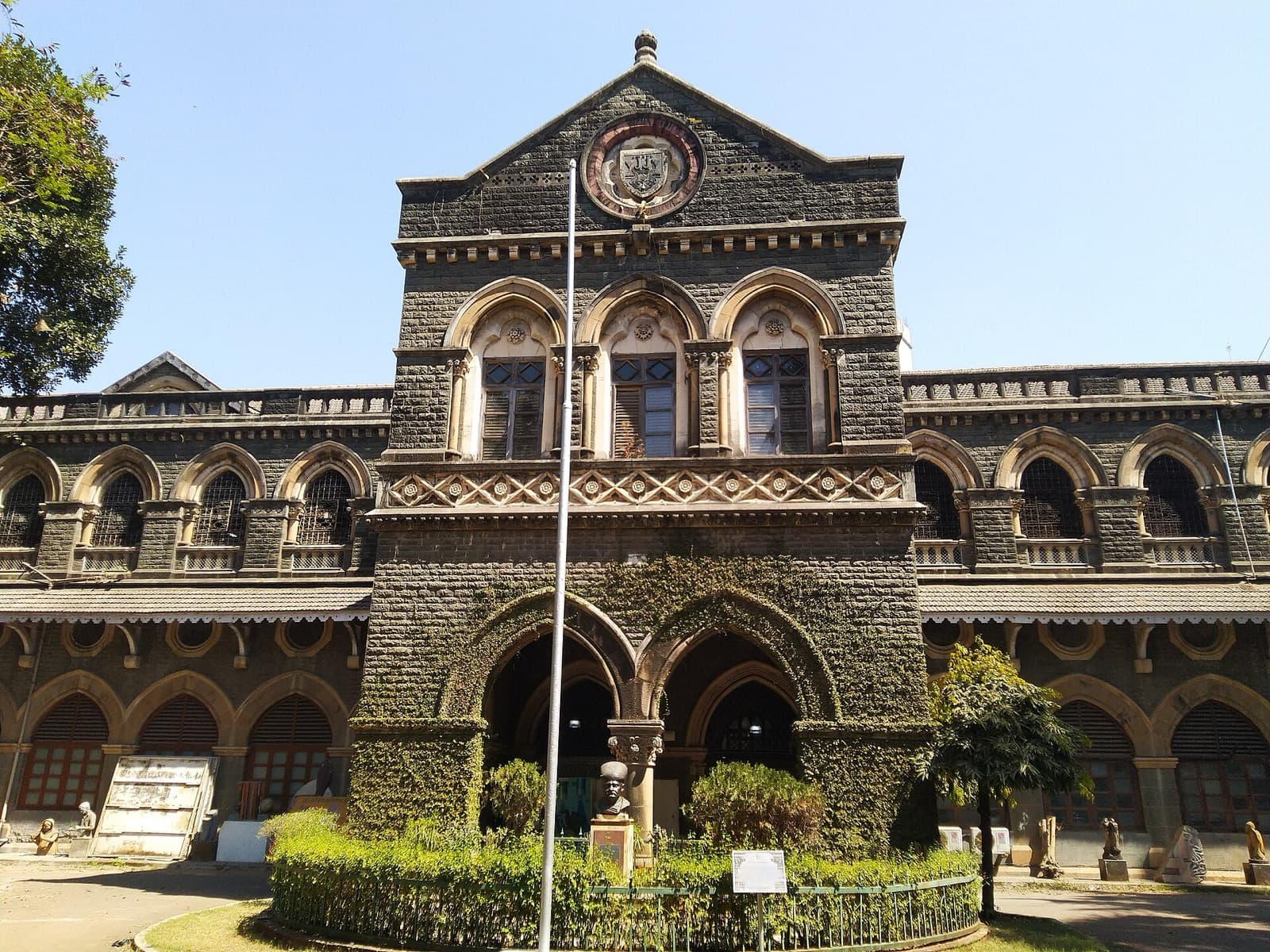
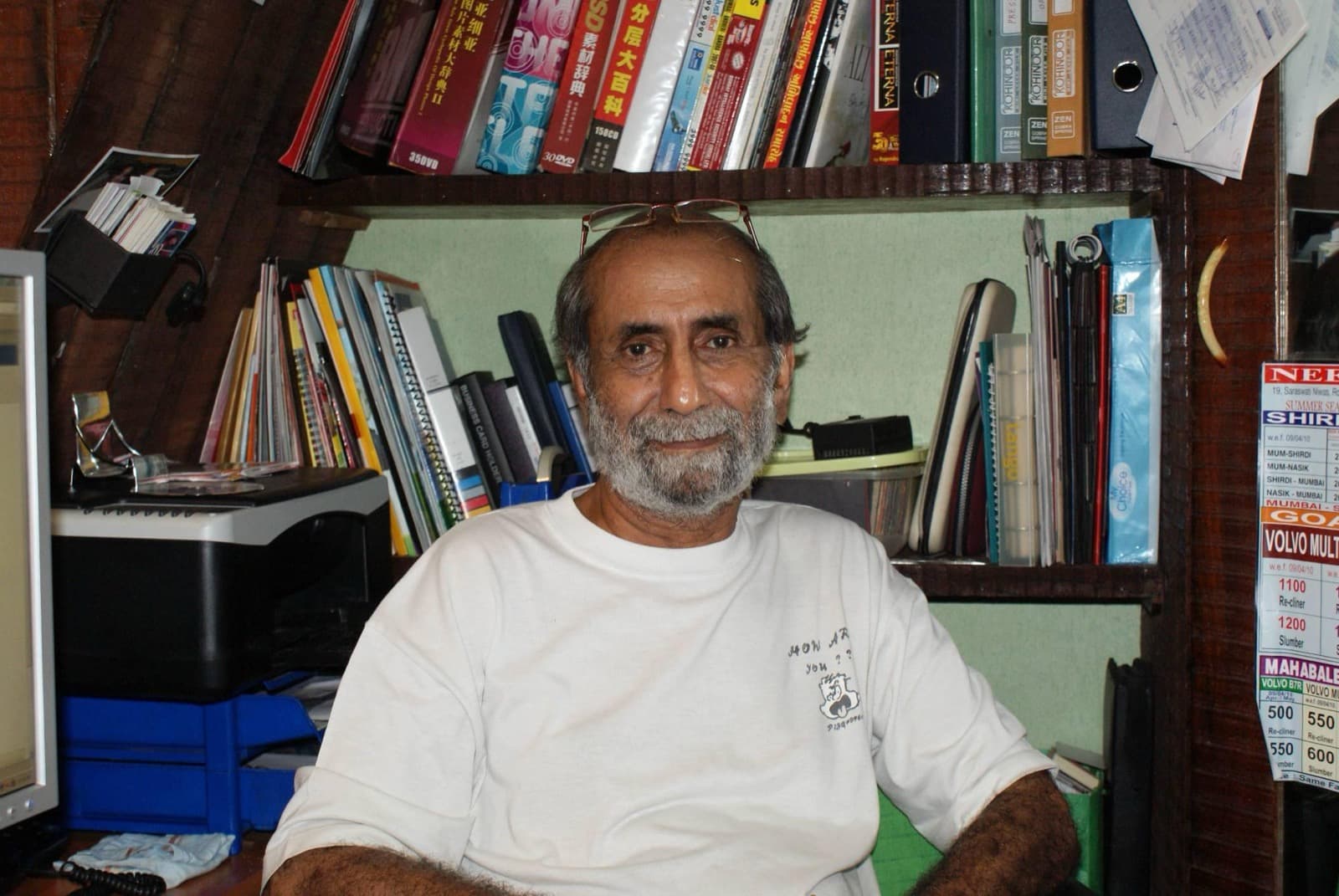
Surti himself remains one of India's most versatile creators. Born on 5 May 1935 in Gujarat and trained at the J. J. School of Art, he wrote more than 80 books, won a National Award in 1993 for his short story collection Teesri Aankh, and drew the simpleton Dhabbuji for the magazine Dharmyug for over 30 years. Bahadur, the reformed bandit's son, stands as his most enduring gift to Indian comics.
Compiled from published archives and public records.