A Japanese filmmaker read the Ramayana and decided only animation could do justice to a god. Three decades of controversy, obscurity and devotion later, his film is back in Indian cinemas.
Ramayana: The Legend of Prince Rama is an anime feature co-produced by Japan and India, produced and directed by Yugo Sako and co-directed by Koichi Sasaki and the Indian animation pioneer Ram Mohan. Based on Valmiki's epic, the 135-minute film features music by Vanraj Bhatia and was made on a budget of 800 million yen. It was first shown in India at the 24th International Film Festival of India on 10 January 1993 and screened the same year at the Vancouver International Film Festival. A Hindi-dubbed version followed in the late 1990s, and Japan saw a release on 3 November 1997.
The project began with an accident of curiosity. In 1983, while working on The Ramayana Relics, a documentary about archaeologist B. B. Lal's excavations near Allahabad, Sako encountered the story of Rama and was captivated, going on to read ten Japanese versions of the epic. He concluded that live action could not capture its essence, reasoning that because Rama is a god, it was best to depict him in animation rather than through an actor. It was a Japanese outsider's answer to a very Indian question of representation.
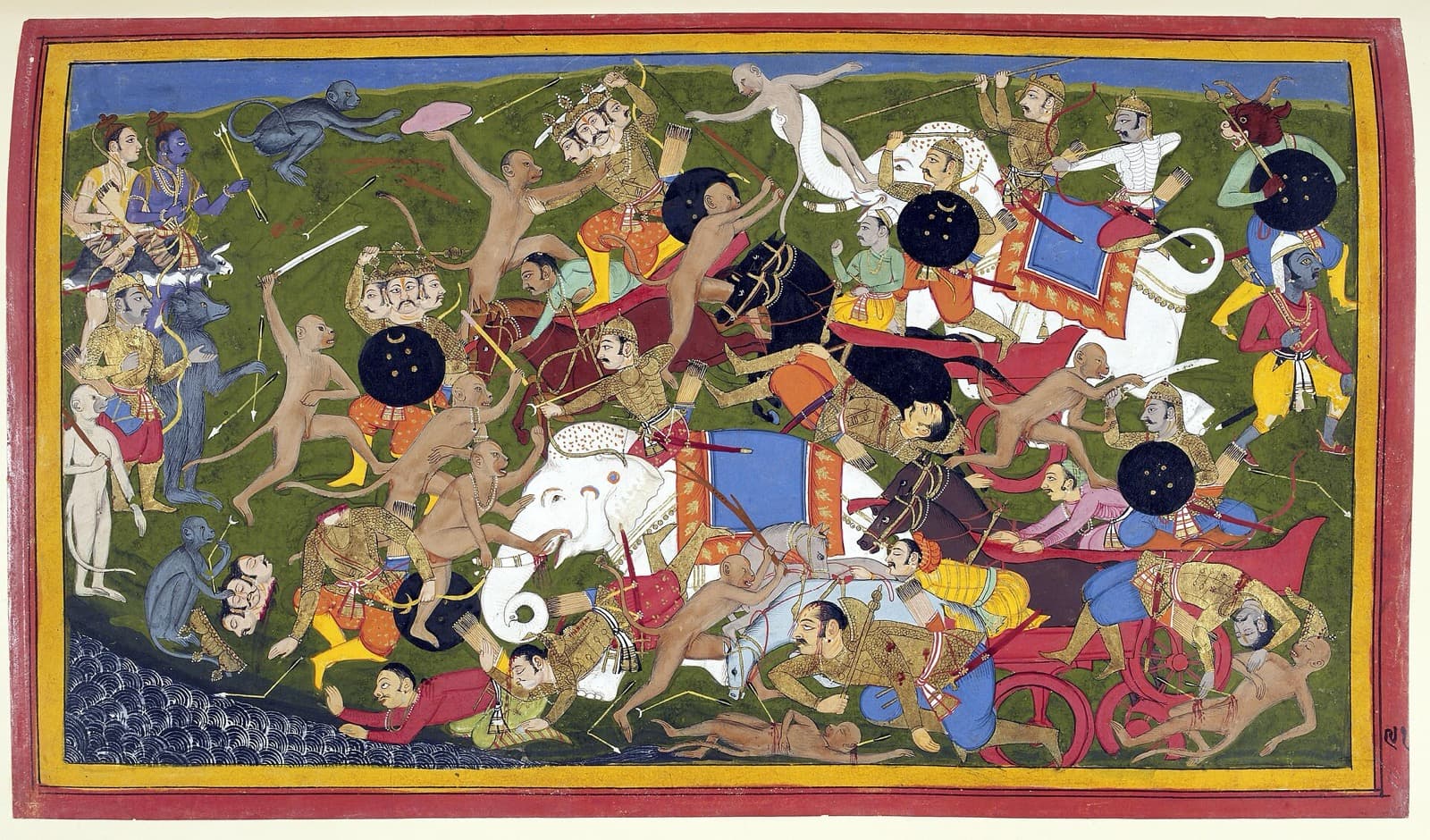
Controversy arrived before a single frame was drawn. After The Indian Express wrote about Sako's documentary in April 1983, the Vishva Hindu Parishad sent a protest letter to the Japanese Embassy in Delhi based on a misunderstanding, objecting that foreigners could not arbitrarily film the national heritage. The Indian government initially agreed to the idea of a collaboration but later declined, saying the Ramayana was too sensitive a subject to portray as a cartoon. The film was ultimately funded entirely in Japan, with TEM Co. financing and a new studio, Nippon Ramayana Film Co., established for the purpose.
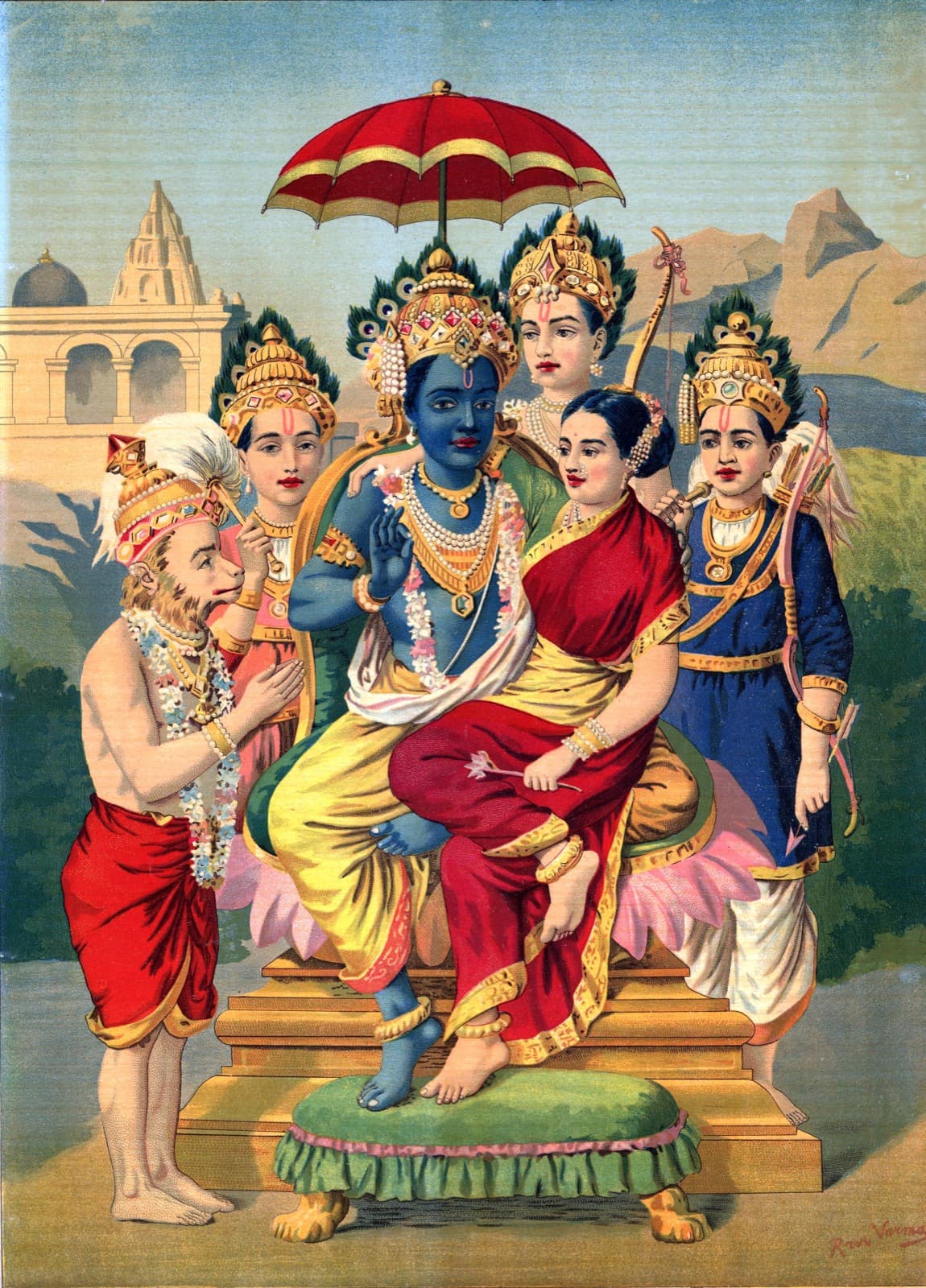
What could have been a purely Japanese production became a genuine two-nation workshop. Principal animation began in 1990 with 450 artists on board, and Indian animators guided their Japanese colleagues on the cultural details the film had to get right, from how dhotis are worn to how children receive blessings from elders. The result fused anime craft with Indian iconography in a way no film had attempted at that scale. Ram Mohan, often called the father of Indian animation, anchored the Indian side of the effort.
History conspired against its release. The film was completed as the Ram Janmabhoomi movement crested, and the demolition of the Babri Masjid on 6 December 1992 made theatrical distribution of a Ramayana film in India commercially and politically fraught. Distribution was eventually organised around the 40th anniversary of diplomatic relations between Japan and India. The film found its true Indian audience later, through television broadcasts, and official activity largely stopped after a TV airing in 2006.
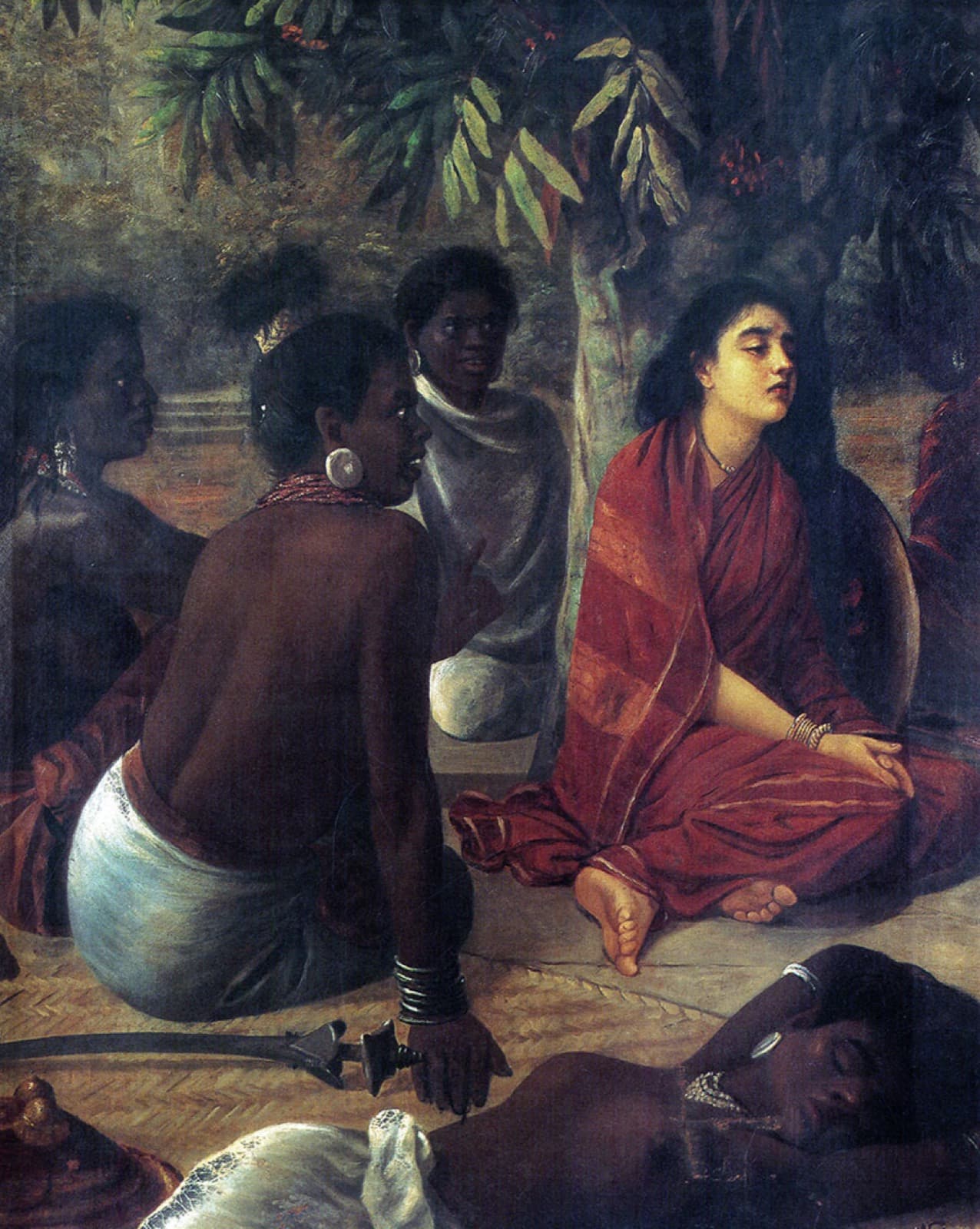
Obscurity did not mean oblivion. The film screened for over a year at a Yokohama mini-theatre from 2018 to 2019, and Megumu Ishiguro, a key animator and production controller on the film, toured India in 2020 to discuss the animation process and promote a remaster. London's Prince Charles Cinema hosted screenings of the remaster in 2023. A generation that had grown up on scratchy TV broadcasts began agitating for its return.
On 24 January 2025 the film was re-released in Indian theatres in 4K, with the old English dub and new Hindi, Tamil and Telugu versions. Three decades after politics forced it into the margins, the Indo-Japanese Ramayana now stands as a singular artifact: an anime devotional epic that belongs fully to two cinema cultures at once. Its journey from protest letters to packed revival screenings is itself a story worthy of an epic. Few animated films anywhere have earned their audience so slowly and so completely.
Compiled from public records and festival archives.