India's 3D era did not begin in a Mumbai studio but in Kerala, where a debutant director and his producer father willed the technology into existence. My Dear Kuttichathan has been charming and re-charming audiences since 1984.
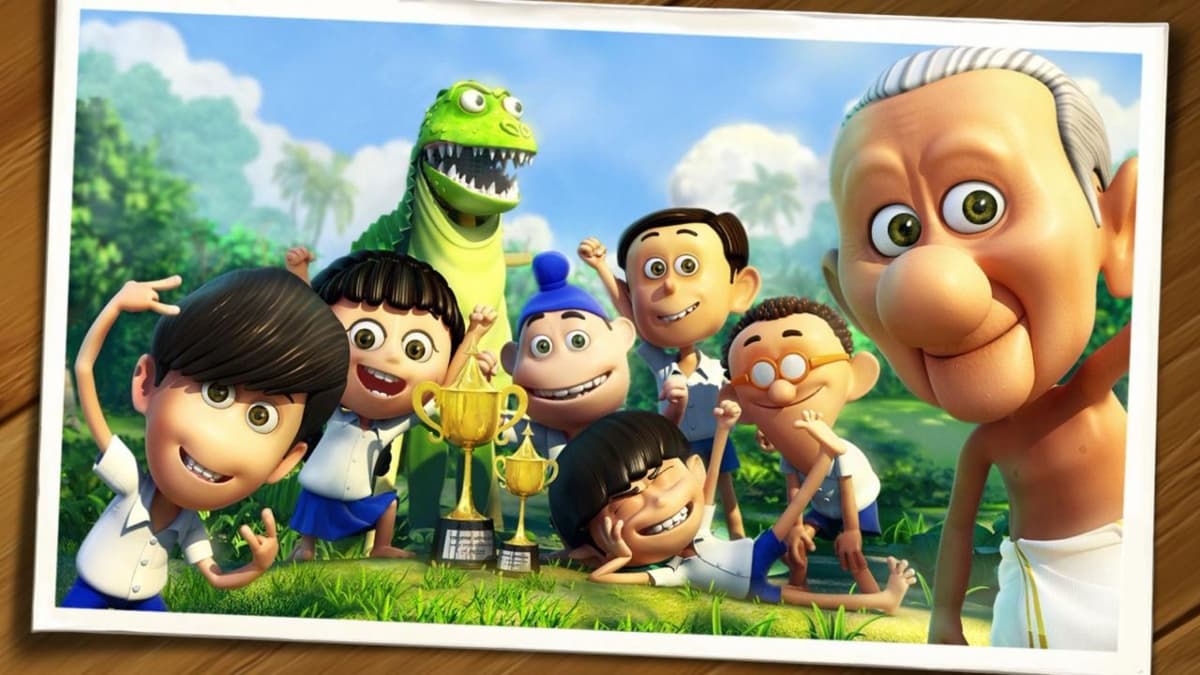
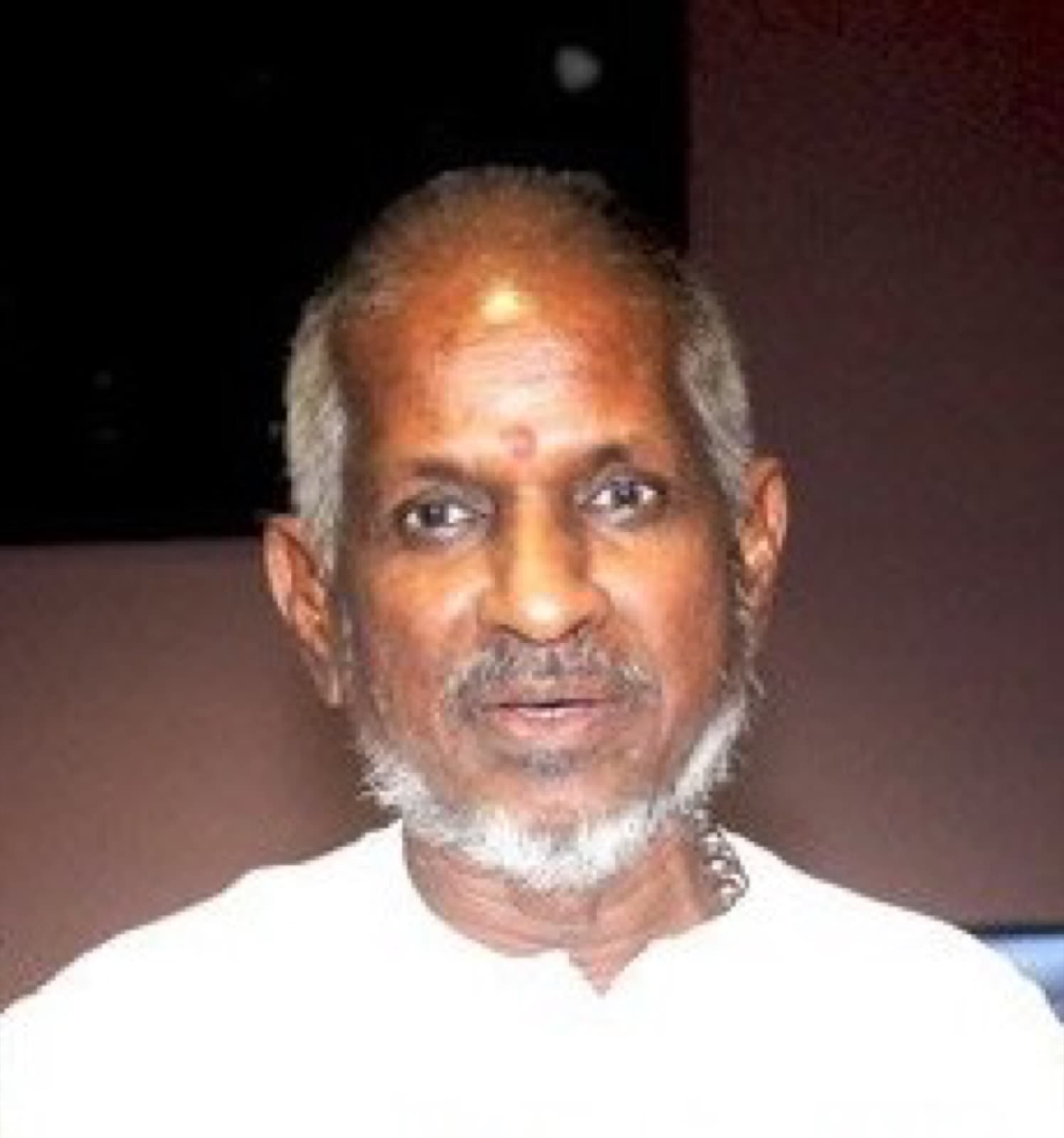
My Dear Kuttichathan, released on 24 August 1984, is a Malayalam-language children's fantasy film directed by debutant Jijo Punnoose and produced by his father, the studio mogul Navodaya Appachan, under Navodaya Studio. It was the first Indian film shot in 3D. Raghunath Paleri's screenplay follows a mischievous indigenous goblin, a Kuttichathan, enslaved by a cruel sorcerer and freed by three children who become his friends. Ilaiyaraaja composed the soundtrack, with lyrics by Bichu Thirumala and cinematography by Ashok Kumar.
The film exists because of a magazine article. After Navodaya's 1982 spectacle Padayottam, Jijo was shown a piece in American Cinematographer by cinematographer Ramachandra Babu and became fixated on stereoscopic filmmaking. He made multiple trips to Burbank, California, bought sample reels of 3D films and screened them at the family studio until his father was convinced. Published accounts put the film's cost between 35 and 45 lakh rupees, a serious wager for a regional industry in 1984.
The technology had to be imported piece by piece, and expertise along with it. Jijo met Chris Condon, an American expert in 3D technology, bought his special camera lenses and persuaded him to assist on the film, while David Schmier worked as stereographer alongside the crew to ensure the twin images converged correctly. Ashok Kumar thereby became the first Indian cinematographer to shoot a 3D feature. Ingenuity filled the gaps that money could not: for one illusion, Steel Industrial Kerala built a 25-tonne rotating room structure that six men on each side turned by hand so the children appeared to walk 360 degrees around a room.
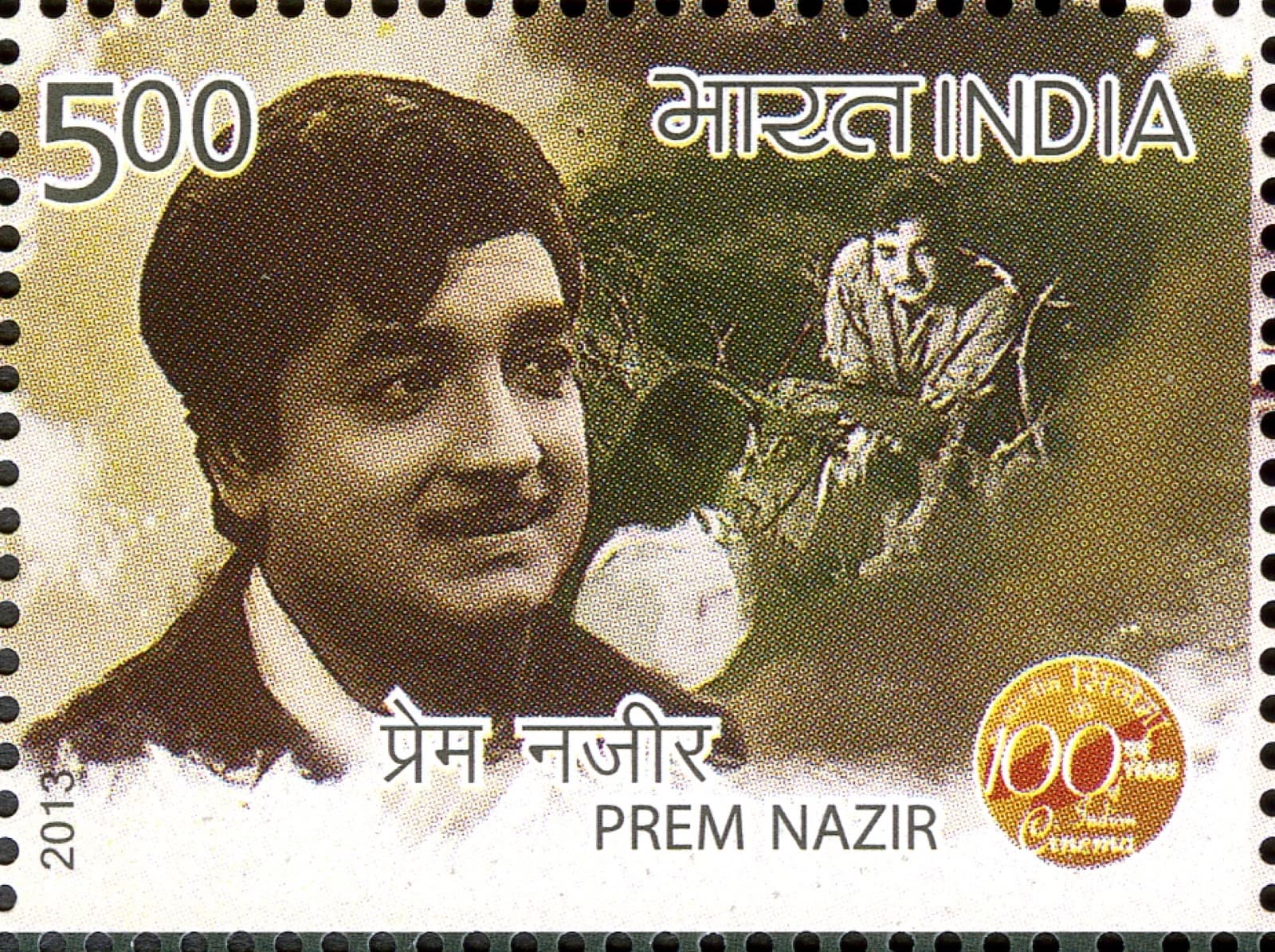
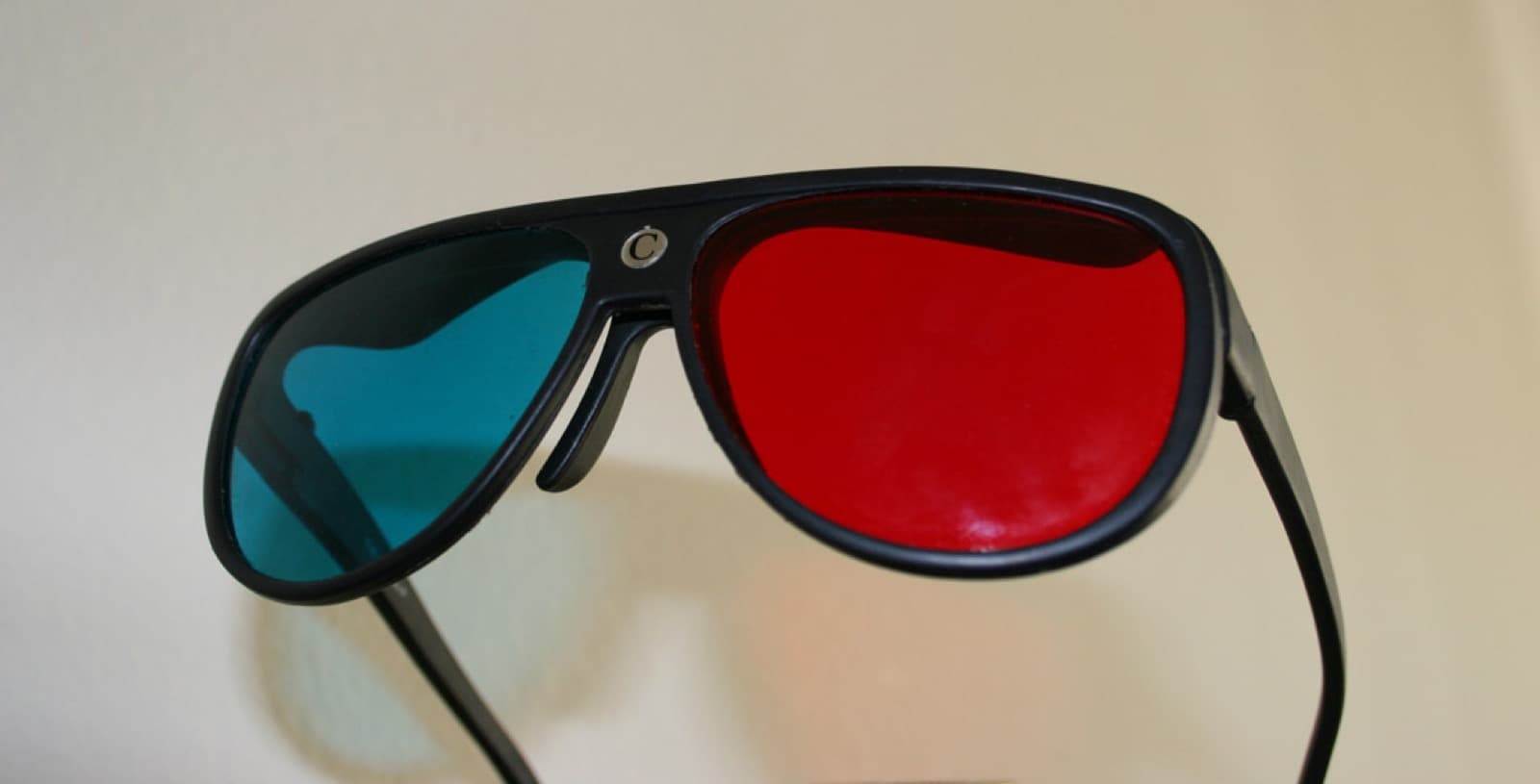
The release became a phenomenon with its own folklore. The film grossed over 2.5 crore rupees, an enormous multiple of its cost, and its Tamil version outperformed far bigger films. Success bred rumour: word spread that the 3D glasses were transmitting conjunctivitis, the infection nicknamed Madras Eye. The producers responded by adding a pre-film reel in which stars including Prem Nazir, Amitabh Bachchan, Jeetendra, Rajinikanth and Chiranjeevi assured audiences the glasses were sterilised after every use.
Few Indian films have had so many afterlives. A re-edited version returned in 1997 with new scenes featuring Kalabhavan Mani and became the first Malayalam film with DTS sound, reportedly earning sixty times the original investment across its runs. A Hindi dub, Chhota Chetan, arrived in 1998 with added Urmila Matondkar sequences and Naseeruddin Shah voicing the invisible goblin, grossing 10.30 crore rupees. In 2010 a Tamil version, Chutti Chathan, added scenes with Prakash Raj and Santhanam, and a remastered edition followed on 25 August 2011.
The film was also a nursery for Malayalam cinema talent. It marked the acting debuts of Jagadish and Zainuddin, featured Dalip Tahil and Kottarakkara Sreedharan Nair, and gave future director T. K. Rajeev Kumar his start as an assistant director. Nedumudi Venu provided the voice of the invisible Kuttichathan in the original. Paleri, the writer, insisted on a script strong enough to work even without the gimmick, and that discipline is why the film outlived its novelty.
My Dear Kuttichathan's true legacy is attitude: a regional studio refusing to wait for Mumbai or Hollywood to hand it the future. Navodaya imported lenses, welded its own rigs and taught itself stereography decades before 3D became a multiplex standard in India. When 2.0 shot natively in 3D in the 2010s, it was completing a journey a Kerala goblin began in 1984. The little chathan got there first.
Compiled from public records and archival interviews.