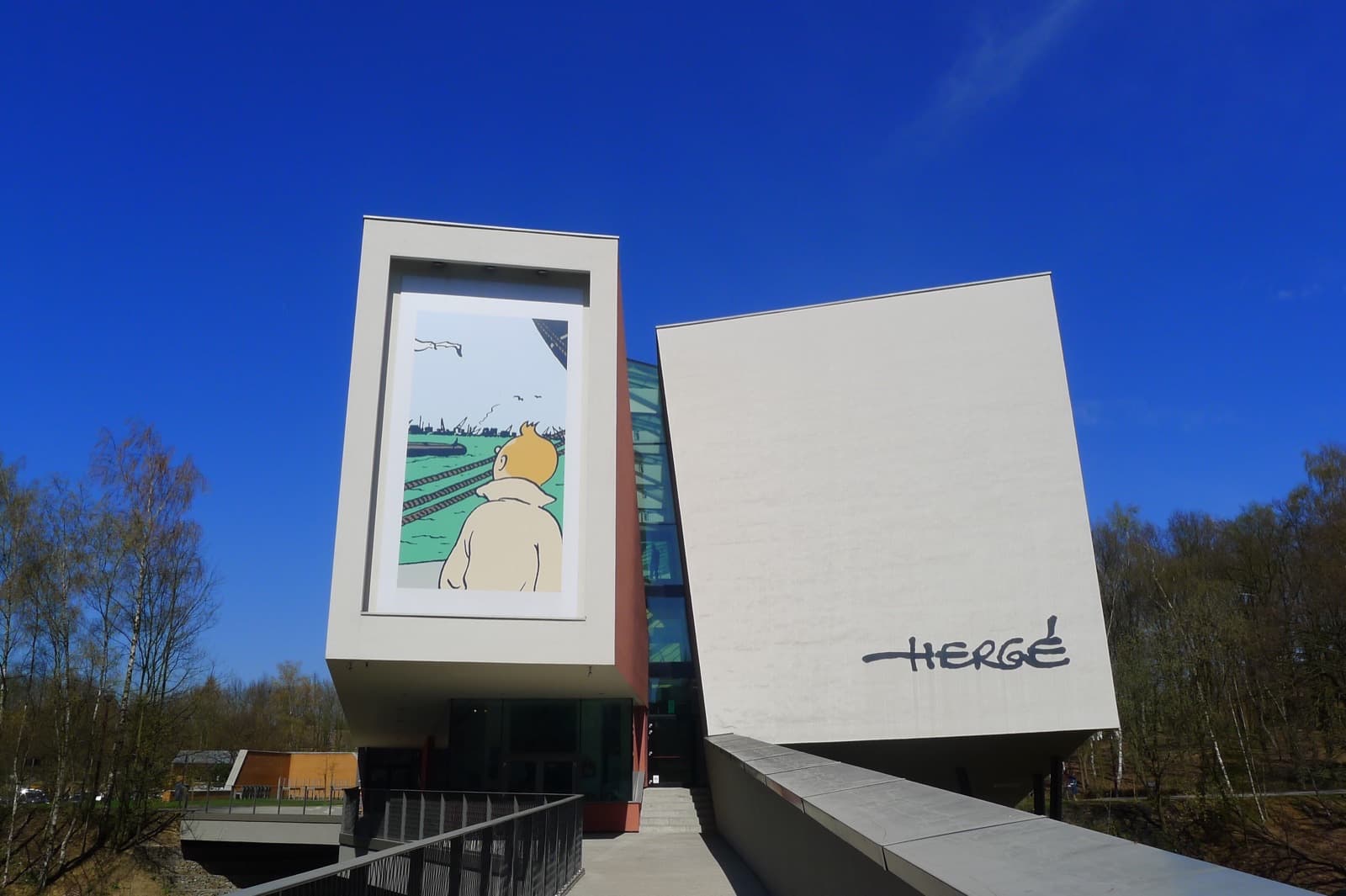
The Musee Herge in Louvain-la-Neuve, Belgium, opened in June 2009 and is dedicated to the life and work of cartoonist Georges Remi, who signed his work Herge. It honors the creator of The Adventures of Tintin.
The museum sits in the center of Louvain-la-Neuve, on the edge of a green park called Le Parc de la Source. Its address, Rue Labrador 26, is itself a nod to the series, as it is Tintin's first home in the books. Beyond Tintin, the museum also celebrates Herge's other creations, including Quick and Flupke and The Adventures of Jo, Zette and Jocko.
The building was designed by the French architect Christian de Portzamparc, a Pritzker Prize winner, with interiors by the Dutch cartoonist Joost Swarte. It rises across three floors and holds a total of nine exhibition rooms, along with a cafe, a museum shop and a small cinema. Visitors approach the contemporary structure across a walking bridge.
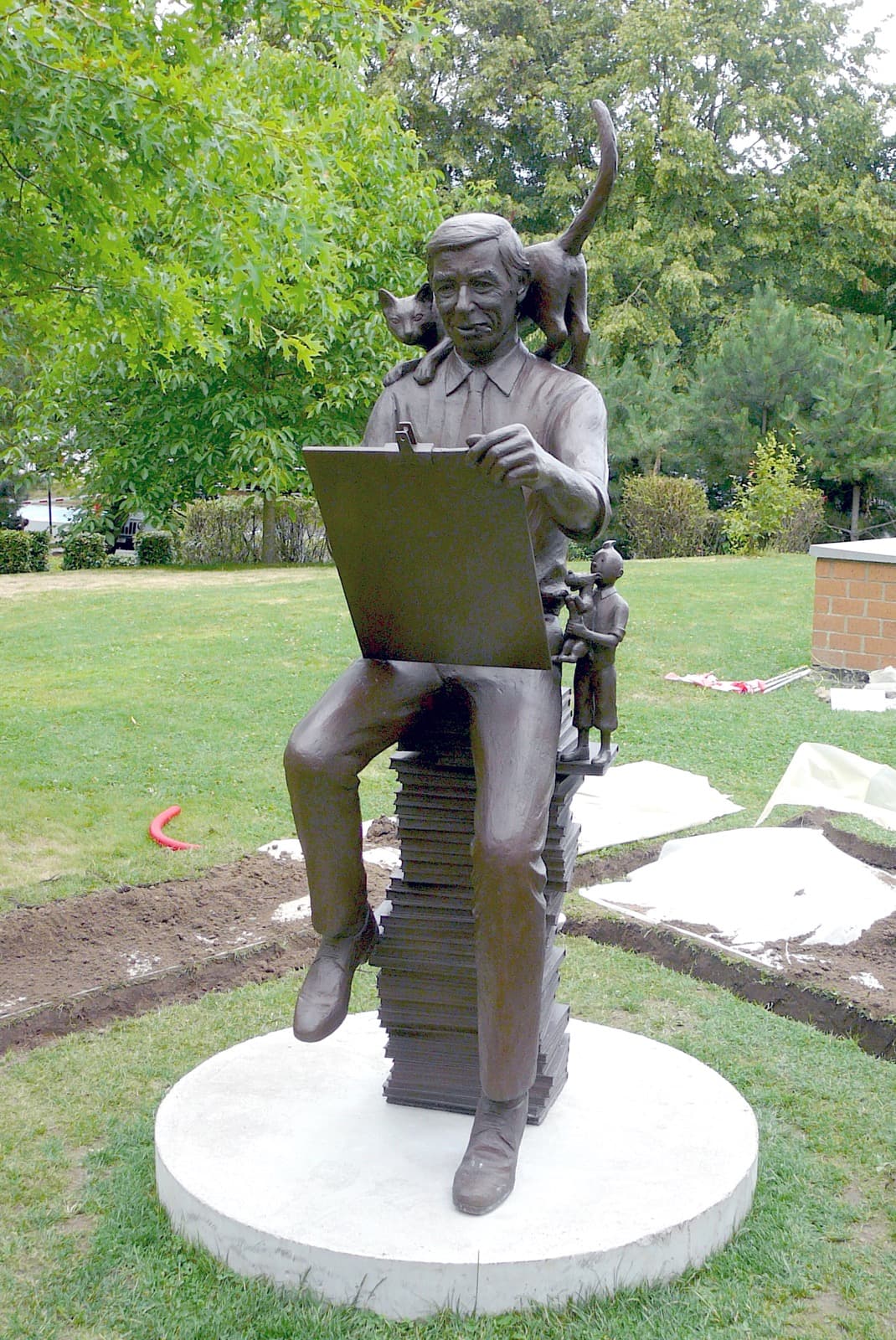
The idea for a museum dedicated to Herge dates back to the end of the 1970s, when the artist was still alive. After his death in 1983, his widow Fanny led the effort, undertaken first by the Herge Foundation and then by the new Studios Herge, to catalogue and select the artwork that would eventually fill the galleries.
The site in Louvain-la-Neuve was chosen in 2001. On 22 May 2007, the centenary of Herge's birth, the first stone was laid. Two years later, in June 2009, the museum opened its doors to the public, and during its first year it drew 100,000 visitors.
Visitors begin at the top floor and work their way down. The opening rooms cover Herge's life, his many interests and his early commercial illustration and comics. A long walkway then leads to a room introducing the world of Tintin, with glass vitrines devoted to the series' main characters.
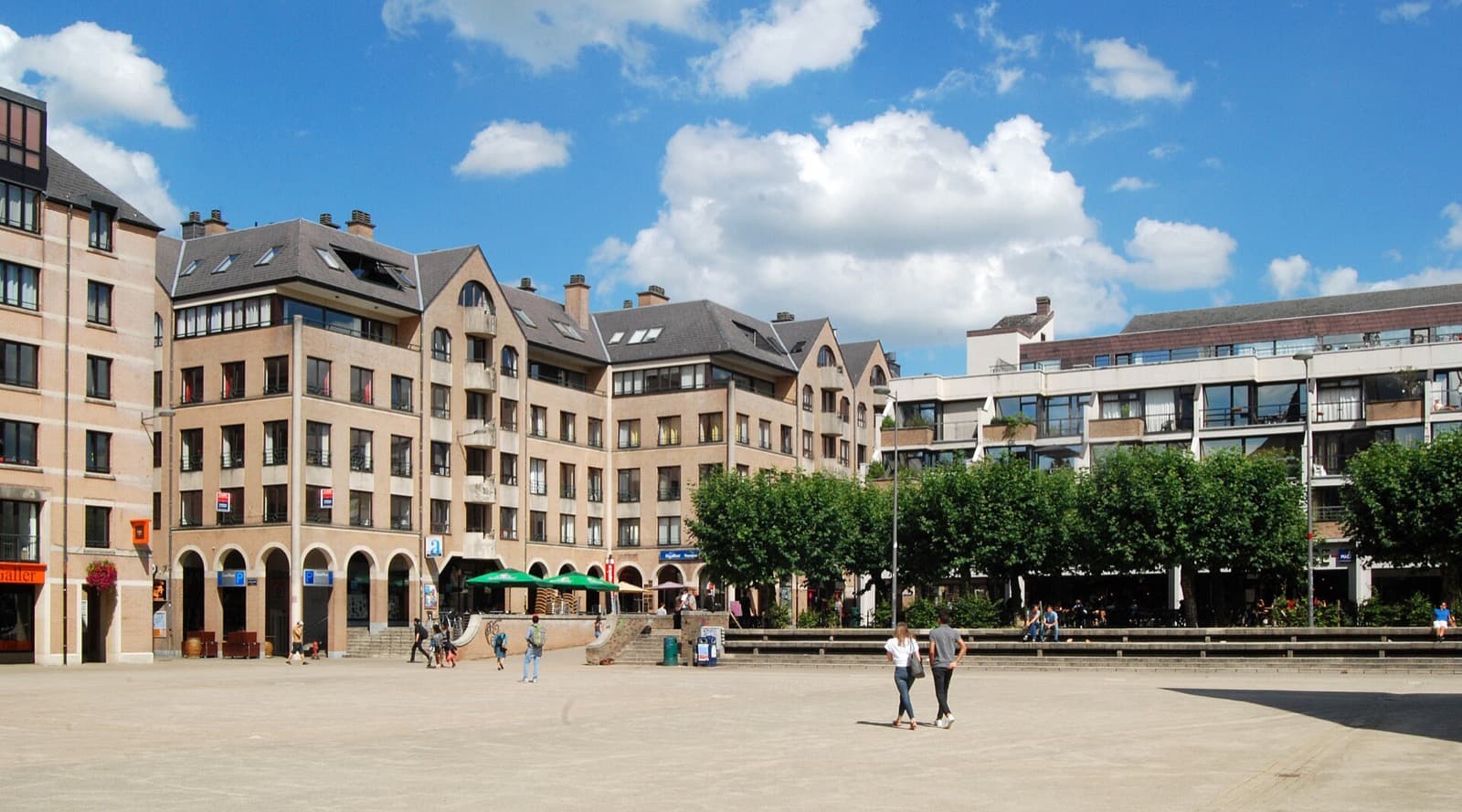
Further rooms address Herge and cinema, the places Tintin travelled, and the science in the books, presented as Professor Calculus's laboratory. After crossing a lower bridge to learn about Studios Herge, visitors reach a final gallery titled Herge Acclaimed. A temporary gallery on the main floor rotates exhibitions every few months.
The museum has not been without friction. At its 2009 press preview, journalists were barred from photographing the exhibits to prevent copyright abuse of the displayed originals, and some left in protest. The institution, which is private and belongs to the Herge Foundation, was reported in 2013 to be operating at a loss, and some critics have noted that its presentation offers little critical perspective on the artist.
Compiled from public records.