When Baahubali: The Beginning opened on 10 July 2015, India discovered it could build a fantasy kingdom without outsourcing the imagination. The film's real legacy is the effects economy it forged in Hyderabad.
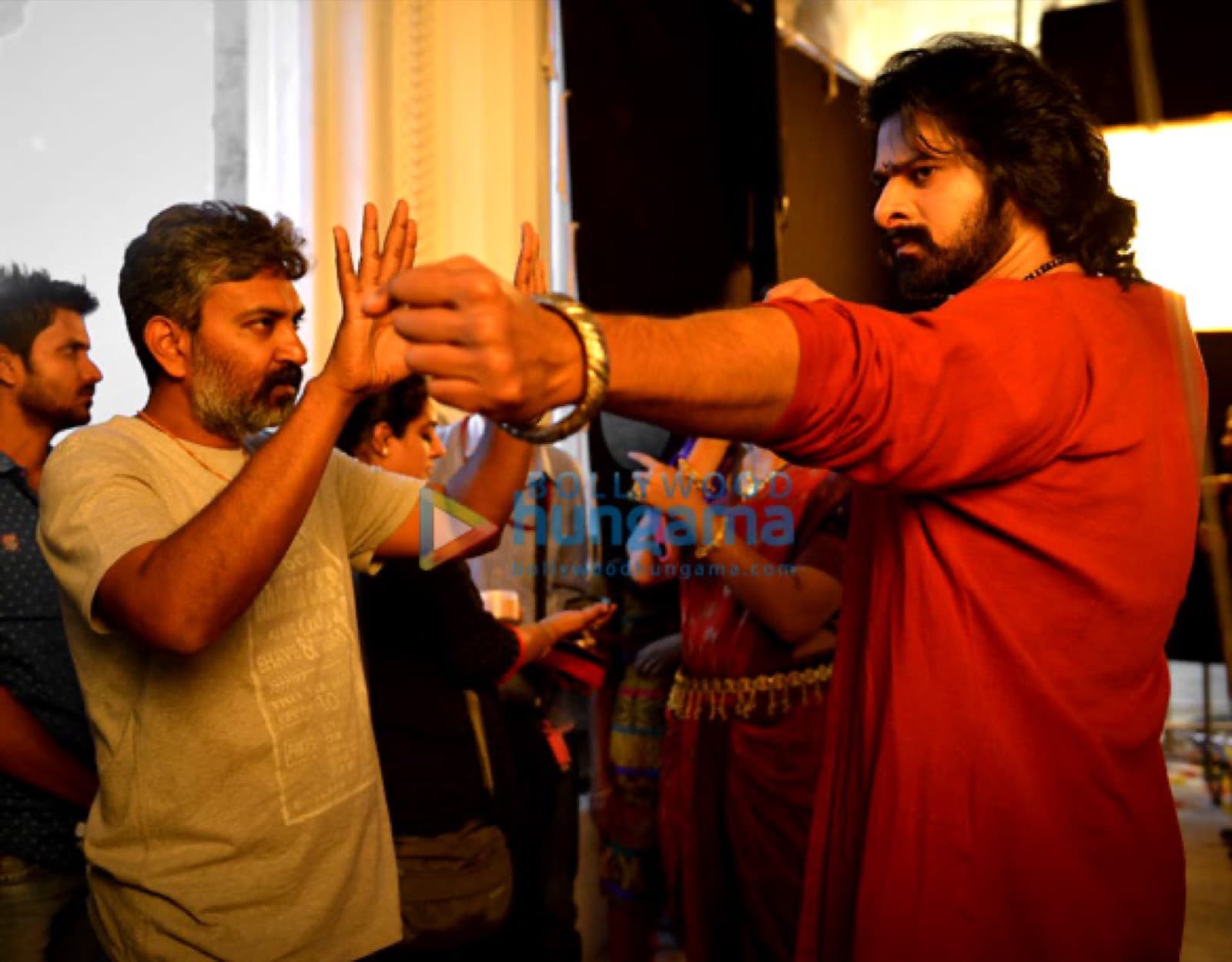
Baahubali: The Beginning is a 2015 epic action film co-written and directed by S. S. Rajamouli and produced by Shobu Yarlagadda and Prasad Devineni under Arka Media Works, shot simultaneously in Telugu and Tamil. Prabhas stars in a dual role alongside Rana Daggubati, Anushka Shetty, Tamannaah Bhatia, Ramya Krishnan, Sathyaraj and Nassar. The story, written by Rajamouli's father V. Vijayendra Prasad, follows Sivudu, an adventurous young man raised below a colossal waterfall who discovers he is heir to the throne of Mahishmati. Made on a budget of 170 crore rupees, it was the most expensive Indian film at its time of release.
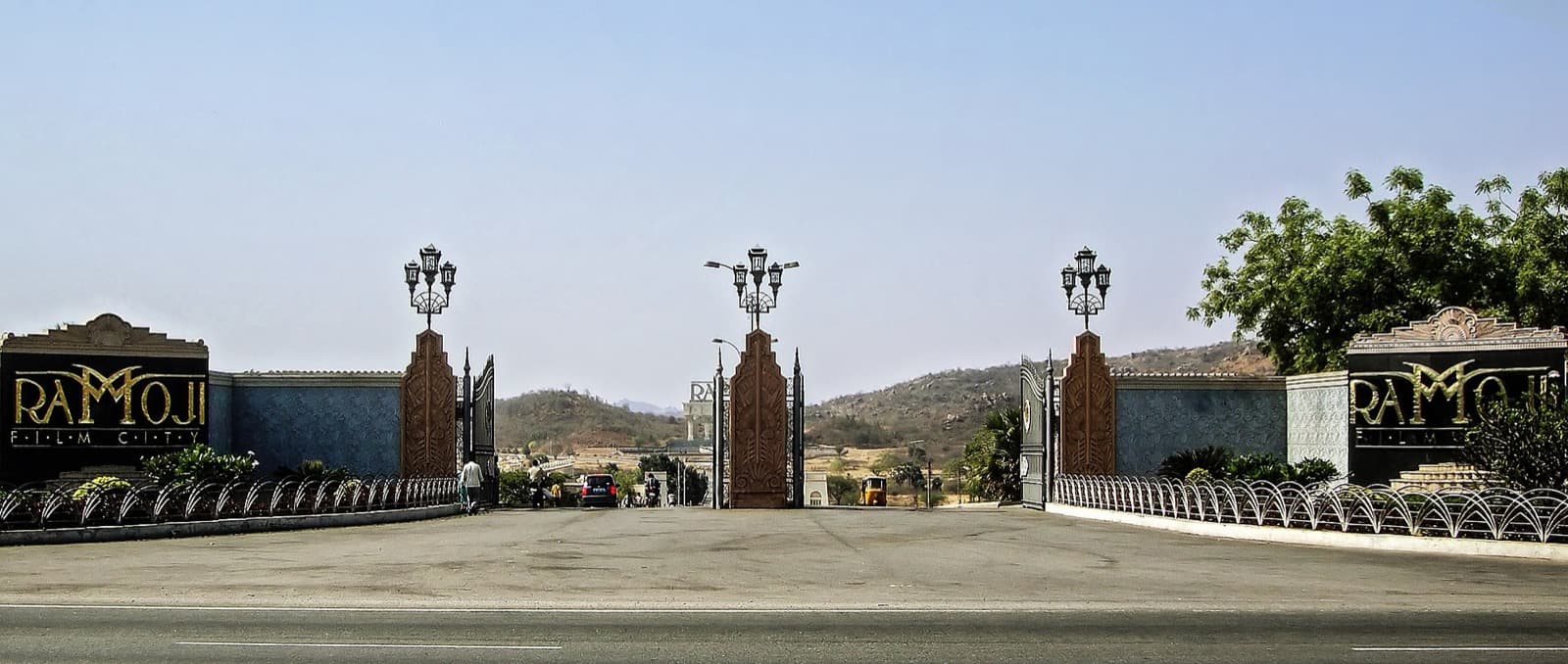
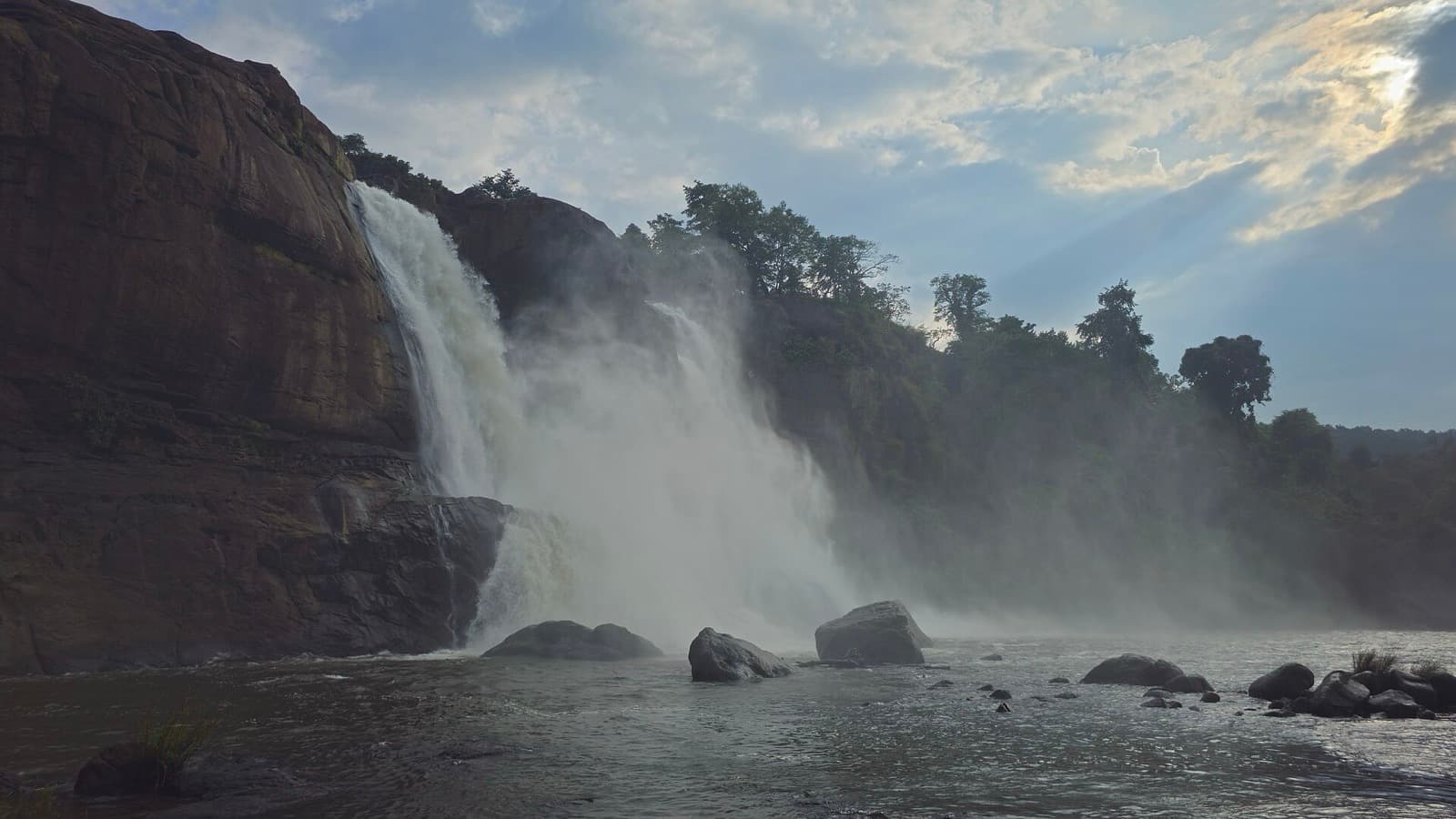
The scale was planned like a military campaign. Production began at the Rock Gardens in Kurnool on 6 July 2013, waterfall scenes were shot at Athirappilly Falls in Kerala, snow sequences were filmed in Bulgaria, and enormous sets for the Mahishmati kingdom rose inside Ramoji Film City in Hyderabad. A full year of pre-production generated 15,000 storyboard sketches. Cinematographer K. K. Senthil Kumar shot for 380 days on the Arri Alexa XT, Rajamouli's first film captured with digital imagery.
The numbers behind the pixels explain the film's industrial importance. More than 90 percent of the film contained visually enhanced shots, and according to the producer more than 600 VFX artists worked across 18 facilities around the world. Crucially, the centre of gravity stayed local: Hyderabad's Makuta VFX served as principal vendor responsible for over half the computer-generated imagery, joined by Firefly and Prasad EFX in Hyderabad and Chennai, Annapurna Studios, Tau Films, and Korean houses Dancing Digital Animation and Macrograph. Makuta's co-founder later told Quartz that Baahubali was principally a homegrown feature produced by homegrown talent.
Individual sequences became case studies. Makuta spent nearly two years bringing the 1,500-foot waterfall to life, wrestling with fluid dynamics and simulation complexity frame by frame. Firefly handled the avalanche and the war sequences, which account for nearly 25 minutes of screen time, while Tau Films built the CGI bison and Prasad EFX mapped a 3D image of Kattappa's head onto a duplicate actor. Annapurna Studios ran the digital intermediate, implementing Academy Color Encoding System workflows for the first time in an Indian movie.
The physical craft matched the digital. Production designer Sabu Cyril created 10,000 different pieces of weaponry, using carbon fibre instead of steel to keep swords light and flexi foam to mimic leather armour. 3D printing produced the head of the 100-foot statue of Bhallaladeva. Even language was fabricated: the Kalakeya invaders speak Kiliki, a constructed tongue invented for the film.
The results reset every commercial benchmark. Baahubali: The Beginning grossed 600 to 650 crore rupees worldwide, becoming the highest-grossing Telugu film and the second highest-grossing Indian film at the time. It won the National Film Award for Best Feature Film and Best Special Effects, and became the first Indian film nominated for Saturn Awards, with five nominations including Best Fantasy Film. Its 2017 successor, Baahubali 2: The Conclusion, went further still and remains the highest-grossing film in India.
The franchise's afterlife confirms its foundational status: a combined recut, Baahubali: The Epic, was released theatrically worldwide on 31 October 2025. More important than any record is the pipeline the films left behind, a proof that Indian studios could conceive, supervise and execute world-class effects at home rather than serve only as outsourcing back offices. The road from Mahishmati leads directly to RRR, Kalki 2898 AD and every Indian epic now budgeted in the hundreds of crores. Baahubali did not just imagine a kingdom; it built an industry.
Compiled from public records and industry reporting.