For one film, Indian feature animation stopped imitating television and aimed for the epic register. Arjun: The Warrior Prince remains the most artistically serious swing the Disney-UTV partnership ever took.
Arjun: The Warrior Prince is a 2012 Indian animated action film directed by Arnab Chaudhuri, written by Rajesh Devraj, and produced by Ronnie Screwvala and Siddharth Roy Kapur under UTV Motion Pictures and Walt Disney Pictures. Released in India on 25 May 2012, the 96-minute film tells the story of the Mahabharata from Arjun's point of view. Vishal-Shekhar composed the songs, Dhruv Ghanekar wrote the background score, and A. Sreekar Prasad edited. It stands among the rare Indian animated features conceived for an audience beyond young children.
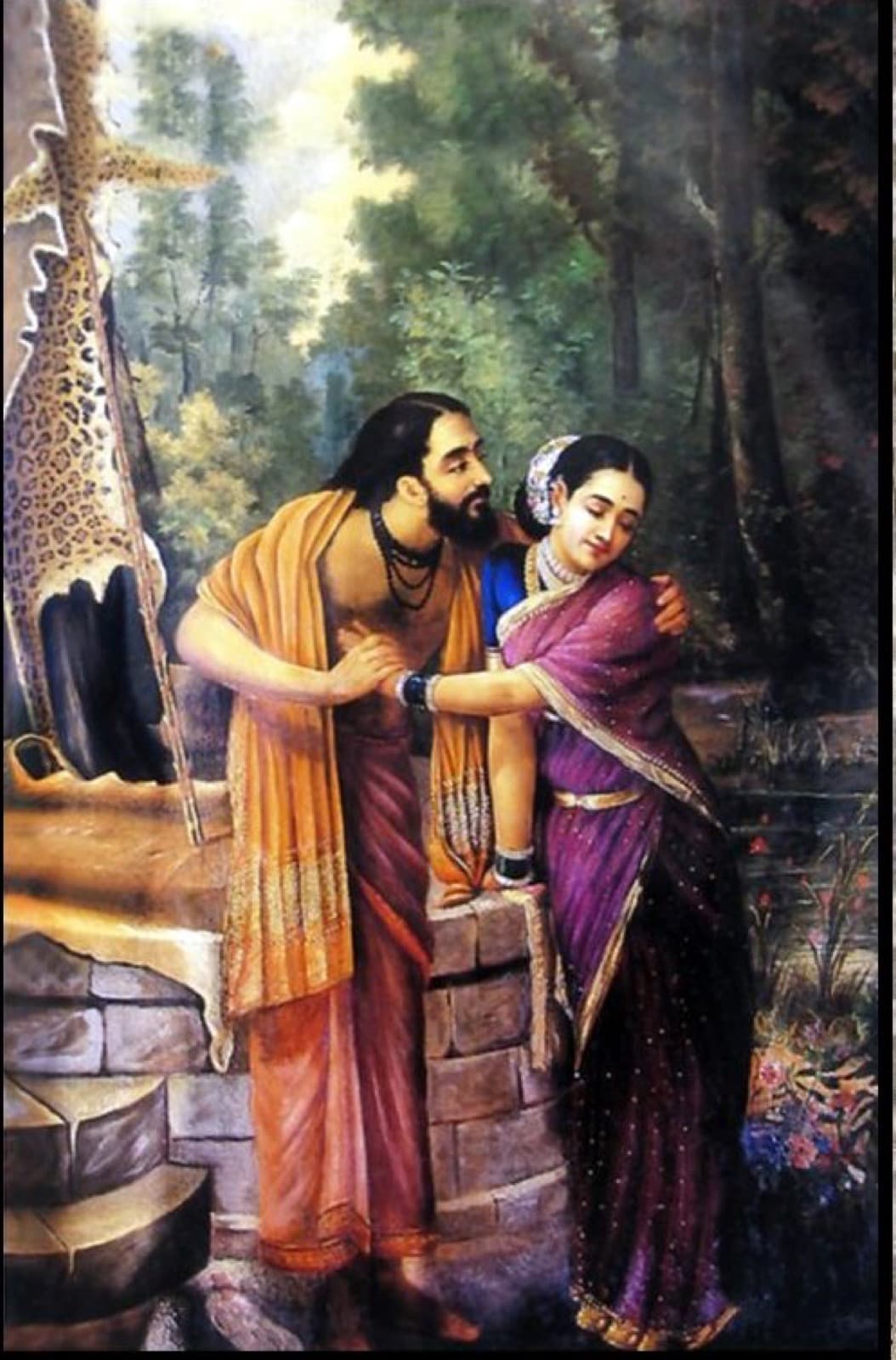
The framing is elegant: in the kingdom of Viratnagar, young prince Uttar asks a palace maid for a story, and she narrates the life of Arjun, from a nine-year-old boy in Hastinapur to the greatest archer of his age. The film moves through Drona's tutelage, the rivalry with the Kauravas, the dice game and Draupadi's humiliation, and the years of exile. It ends where the frame began, with the maid revealed as Arjun in disguise, riding out to face an army. The structure lets myth and memory collapse into each other.
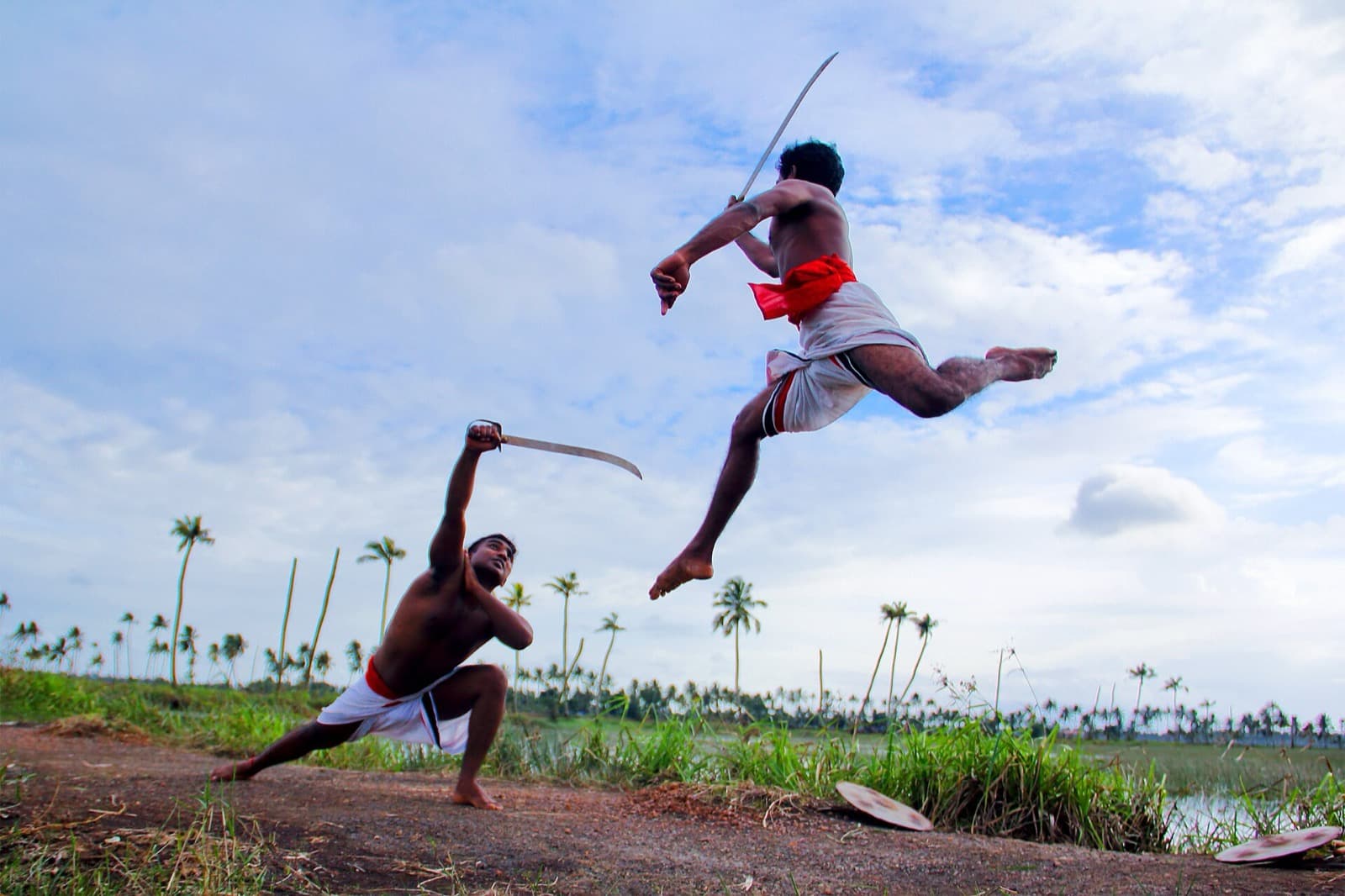
The production drew on design culture as much as animation industry. Animation was provided by Tata Elxsi, and Chaudhuri, who had trained at the National Institute of Design, pooled NID talent for everything from character design to costume design, building a team of roughly 300 professionals. The voice track was recorded like a play, with a theatre group run by K. K. Raina and Ila Arun performing scenes together rather than dubbing in separate booths. For the combat, the team ran a two-week workshop with a Kalaripayattu troupe from Kerala and a Thang-Ta troupe from Manipur, using their sparring as reference.
Reviews split along an interesting line. On Rotten Tomatoes, 67 percent of nine critics' reviews are positive with an average rating of 5.7 out of 10. Anuj Kumar of The Hindu gave it 4 out of 5 and called it a world class show with a good old Indian touch. Rachel Saltz of The New York Times was less convinced at 2 out of 5, arguing that the story liberties would confuse children while adults might miss the epic's best-loved episodes.
The box office was unambiguous, and unkind. The film earned 24.4 million rupees worldwide against a budget of 75 million rupees. Whatever the artistic intent, Indian audiences in 2012 had not yet been given a reason to treat homegrown animation as event cinema. The market failure said less about the film than about the ecosystem it was released into.
Recognition arrived through other doors. Tata Elxsi won the FICCI BAF Award for Best Indian Animated Feature Film for a theatrical release in 2013, and the film received a Best Animation nomination at the 19th Screen Awards. Most significantly, Arnab Chaudhuri was nominated for the Cristal Award for Best Film at the 2013 Annecy International Animated Film Festival, animation's most prestigious global stage. Few Indian features had ever reached that shortlist.
A sequel was planned but never completed, and Disney shut down UTV Motion Pictures in 2017, closing the chapter entirely. Arjun: The Warrior Prince now reads as a road not taken: proof that Indian mythology could power auteur-driven animation with real design ambition, released a decade before the market was ready to reward it. Animators still cite its silhouetted battles and painterly palettes. The film lost its opening weekend and won the long argument.
Compiled from public records and festival archives.